MAINTENANCE & COMPONENT REPLACEMENT
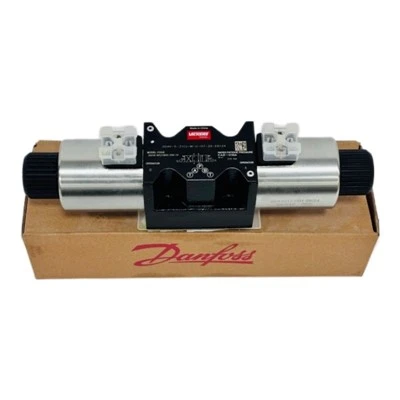
DG4V-3 Hydraulic Valve for Equipment Service and Repair
A maintenance-focused guide to valve identification, fault checks and replacement planning.
Reduce Unnecessary Valve Replacement
A hydraulic actuator that fails to move does not always indicate a defective directional valve. Electrical supply issues, insufficient pump flow, contamination, incorrect circuit connections and mechanical faults can produce similar symptoms.
The DG4V-3 solenoid directional valve family is used in compatible hydraulic circuits to control flow direction. Before ordering a replacement, technicians should identify the actual fault and confirm the original valve specification.
Actuator does not respond to a command.
Check the electrical command, coil supply, system pressure and valve configuration.
Machine movement is slow or inconsistent.
Inspect the hydraulic supply, flow restrictions, fluid condition and other circuit components.
The replacement valve does not fit or operate correctly.
Recheck the full part number, spool symbol, connector and mounting pattern.
A Practical Inspection Sequence
Photograph the nameplate, model code, electrical connector and mounting surface before disassembly.
A qualified technician should verify the coil supply and control command against the machine schematic.
Check the specified pressure, flow availability, oil condition and potential circuit restrictions.
Compare spool function, mounting interface, rated voltage and permitted operating limits.
Isolate electrical power, relieve stored hydraulic pressure and follow the machine manufacturer's maintenance procedure before removing a valve. Hydraulic systems can retain dangerous pressure even after shutdown.
Replacement and Service Applications
- Industrial hydraulic press servicing
- Machine tool hydraulic circuit maintenance
- Hydraulic power unit overhaul
- Factory automation equipment repair
- Hydraulic spare parts inventory management
Maintenance FAQ
No. First inspect the electrical command, hydraulic supply and other possible causes.
Yes. Electrical checks can help distinguish a coil or control issue from a hydraulic problem.
Contamination can interfere with spool movement and contribute to hydraulic component wear.
Not without verifying the hydraulic symbol, model code and electrical configuration.
Record the original part number, symptoms, test findings and replacement specification.
Use a verified part number and retain the valve's electrical and hydraulic specifications.
The nameplate, connector, spool symbol and mounting dimensions provide useful identification clues.
No. Confirm all mechanical, hydraulic and electrical requirements before installation.
Share the original valve code and fault context to help narrow down the required configuration.
Hot Tags: dg4v-3-2a-m-u-h7-69 hydraulic control valve for metal forming and pressing systems, China dg4v-3-2a-m-u-h7-69 hydraulic control valve for metal forming and pressing systems manufacturers, suppliers, factory, 12v Dc Solenoid Valve, 4 Solenoid Valve, corrosion resistant hydraulic valves, din standard hydraulic valves, hydraulic valve functions, valve seals