


Hey there! As a supplier of FRR Pumps, I often get asked a bunch of questions about these pumps, and one that pops up a lot is, "Can FRR Pump be used for corrosive fluids?" Well, let's dive right into this topic and break it down.
First off, let's understand what FRR Pumps are. These pumps are known for their high - performance and reliability in various industrial applications. They're designed to handle different types of fluids, but when it comes to corrosive ones, things get a bit more complicated.
Corrosive fluids can be a real pain in the neck for pumps. They can eat away at the pump's components, leading to reduced efficiency, leaks, and even complete pump failure. The main culprits in corrosive fluids are usually acids, alkalis, and some salts. These substances can react with the materials that the pump is made of, causing chemical changes that degrade the pump over time.
Now, the answer to whether FRR Pumps can be used for corrosive fluids isn't a simple yes or no. It depends on a few factors.
Material of the Pump
The material of the FRR Pump plays a huge role in its ability to handle corrosive fluids. Most standard FRR Pumps are made of materials like cast iron, steel, or aluminum. These materials are great for handling regular fluids, but they're not so hot when it comes to corrosive ones. For example, cast iron can rust when exposed to acidic or alkaline fluids, and steel can corrode.
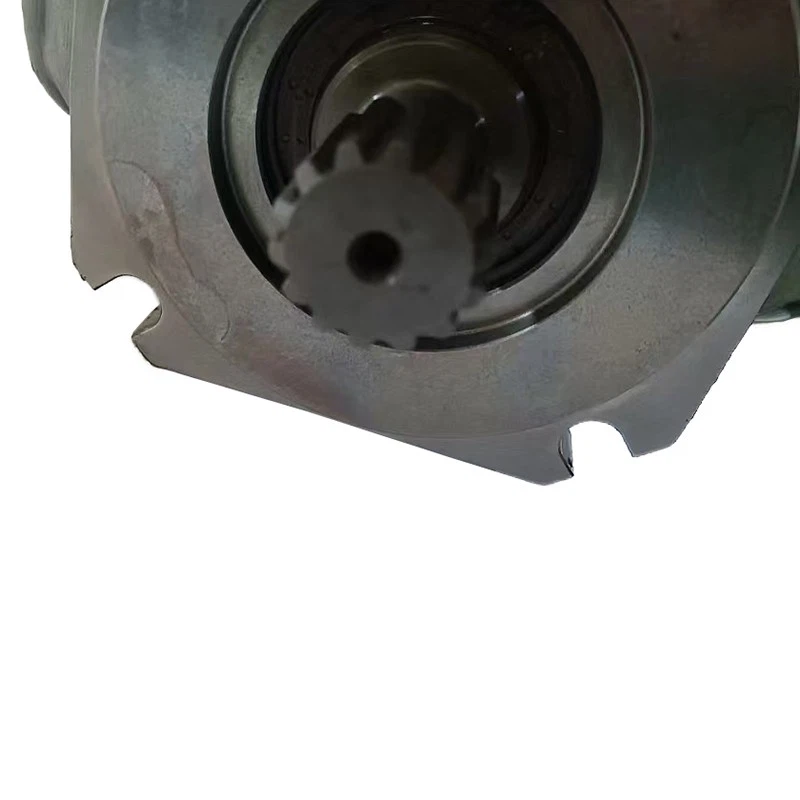
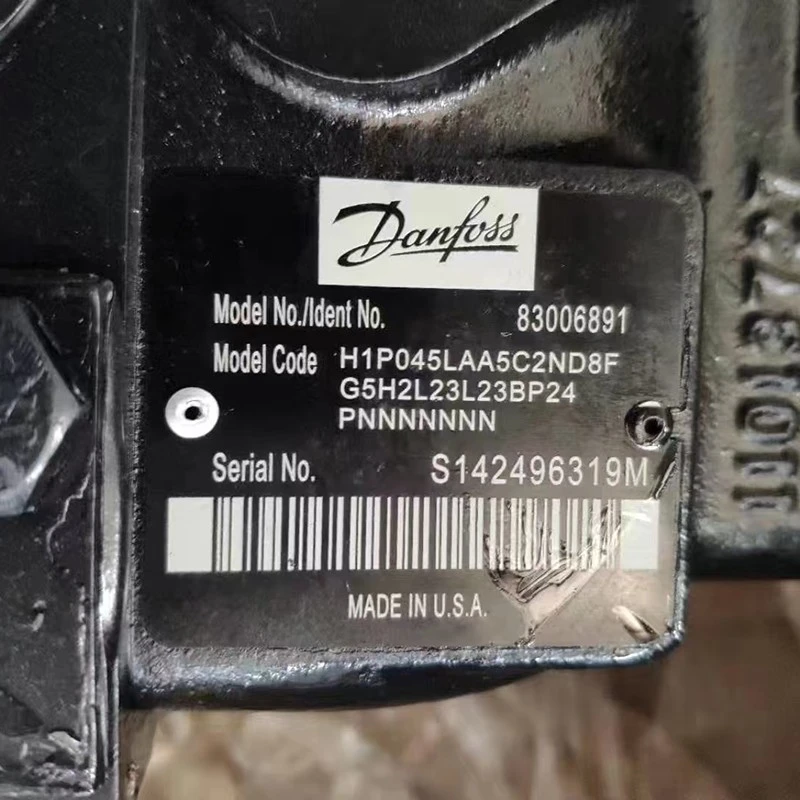
However, some FRR Pumps can be customized with corrosion - resistant materials. For instance, pumps with stainless - steel components are much more resistant to corrosion. Stainless steel contains chromium, which forms a passive layer on the surface of the metal, protecting it from further corrosion. There are also other exotic materials like titanium and Hastelloy that can be used in extreme cases of corrosion. If you're dealing with highly corrosive fluids, it's definitely worth considering a pump with these specialized materials. You can check out the 90R100HS1CD 90R Piston Pump From Danfoss Made In P.R.C which might have options for corrosion - resistant materials.
Type of Corrosive Fluid
Not all corrosive fluids are created equal. Some are mildly corrosive, while others are extremely aggressive. For example, a weak solution of acetic acid might be less corrosive compared to concentrated sulfuric acid. The pH level of the fluid is also an important factor. Fluids with a very low pH (acidic) or a very high pH (alkaline) are more likely to cause corrosion.
If you're dealing with a mildly corrosive fluid, a standard FRR Pump with some basic corrosion - protection measures might work. This could include things like a protective coating on the pump's internal components. But for highly corrosive fluids, you'll need a pump specifically designed for that purpose. The H1P Pump might have features that make it more suitable for certain types of corrosive fluids, depending on its construction.
Operating Conditions
The operating conditions also matter a lot. Factors like temperature, pressure, and flow rate can affect how corrosive a fluid is. Higher temperatures generally increase the rate of corrosion because chemical reactions happen faster at higher temperatures. Similarly, high pressures can also accelerate corrosion.
If your FRR Pump is going to be operating in a high - temperature and high - pressure environment with corrosive fluids, you need to be extra careful. You might need to use a pump with better heat - resistant and pressure - resistant materials in addition to being corrosion - resistant. The ERR Pump could potentially be configured to handle these tough operating conditions.
Maintenance and Monitoring
Even if you have a FRR Pump that's designed to handle corrosive fluids, proper maintenance and monitoring are crucial. Regular inspections can help you catch any signs of corrosion early on. You can check for things like leaks, changes in the pump's performance, or visible signs of corrosion on the pump's surface.
It's also important to follow the manufacturer's maintenance guidelines. This might include things like changing the pump's seals regularly, flushing the pump with a neutralizing solution after use, and lubricating the moving parts properly. By taking good care of your pump, you can extend its lifespan and ensure that it continues to work effectively with corrosive fluids.
Case Studies
Let's look at a couple of real - world examples. A chemical processing plant was using a standard FRR Pump to handle a mildly acidic fluid. At first, the pump seemed to work fine, but after a few months, they started noticing a decrease in the pump's performance. Upon inspection, they found that the cast - iron components of the pump were starting to corrode. They decided to upgrade to a pump with stainless - steel components, and the problem was solved. The new pump was able to handle the acidic fluid without any issues for a much longer time.
On the other hand, a research laboratory was dealing with a highly corrosive fluid in a low - flow, low - pressure application. They opted for a custom - built FRR Pump with titanium components. This pump was able to withstand the corrosive fluid for years without any significant degradation.
Conclusion
So, can FRR Pumps be used for corrosive fluids? The short answer is that it's possible, but it depends on the material of the pump, the type of corrosive fluid, the operating conditions, and how well you maintain the pump. If you're in a situation where you need to use a pump for corrosive fluids, it's always a good idea to consult with an expert. We, as a FRR Pump supplier, have a team of professionals who can help you choose the right pump for your specific needs.
If you're interested in purchasing a FRR Pump for your corrosive fluid application, don't hesitate to reach out. We can discuss your requirements in detail and provide you with the best solution. Whether it's a standard pump with some corrosion - protection measures or a fully customized pump with exotic materials, we've got you covered. Let's work together to find the perfect pump for your job!
References
- "Corrosion and Corrosion Control" by Mars G. Fontana
- "Handbook of Chemical Engineering" by Perry and Green


