


Mining environments are among the most challenging settings for industrial equipment, especially hydraulic pumps like the A4VG Pump. The presence of dust and debris in these areas can significantly impact the performance and lifespan of the pump. As a trusted A4VG Pump supplier, I understand the importance of protecting these pumps in such harsh conditions. In this blog, I will share some effective strategies to safeguard the A4VG Pump from dust and debris in a mining environment.
Understanding the Threat of Dust and Debris in Mining
Mining operations generate a substantial amount of dust and debris. These particles can vary in size, from fine dust that can easily penetrate small openings to larger debris that can cause physical damage. When these particles enter the A4VG Pump, they can lead to several issues.
Firstly, dust and debris can cause abrasion. As the particles circulate within the pump, they can wear down the internal components, such as pistons, cylinders, and valves. This abrasion not only reduces the efficiency of the pump but also increases the risk of component failure. Over time, the constant wear can lead to leaks, reduced flow rates, and ultimately, pump breakdown.
Secondly, the accumulation of dust and debris can clog the pump's filters and passages. Filters are designed to remove contaminants from the hydraulic fluid, but when they become overwhelmed with dust, their effectiveness is compromised. Clogged filters can restrict the flow of fluid, causing the pump to work harder and increasing the risk of overheating. Additionally, debris can block small passages within the pump, disrupting the normal flow of hydraulic fluid and affecting the pump's performance.
Preventive Measures for Dust and Debris Protection
1. Proper Enclosure and Sealing
One of the most effective ways to protect the A4VG Pump from dust and debris is to ensure it is properly enclosed. A well-designed enclosure can act as a physical barrier, preventing large debris from coming into direct contact with the pump. The enclosure should be made of a durable material that can withstand the harsh mining environment, such as steel or heavy-duty plastic.
In addition to the enclosure, proper sealing is crucial. All openings in the pump, such as access ports, cable entries, and shaft seals, should be sealed tightly. This prevents dust and debris from entering the pump through these vulnerable points. High-quality seals made of materials like rubber or silicone can provide an effective barrier against contaminants.
2. Regular Maintenance and Inspection
Regular maintenance and inspection are essential for keeping the A4VG Pump in good condition. This includes checking the pump for any signs of dust or debris accumulation, as well as inspecting the seals and filters for damage or wear.

Filters should be replaced at regular intervals, as recommended by the manufacturer. A clogged filter can cause the pump to operate inefficiently and increase the risk of damage. By replacing the filters on time, you can ensure that the hydraulic fluid remains clean and free of contaminants.
During maintenance, it is also important to clean the pump and its components. This can be done using compressed air or a suitable cleaning solution. However, care should be taken to avoid damaging the pump during the cleaning process.
3. Use of Air Filtration Systems
In a mining environment, the air is often filled with dust and debris. Installing an air filtration system can help to reduce the amount of contaminants that enter the pump. These systems can be designed to filter the air that is drawn into the pump's enclosure or the air that is used for cooling.
There are several types of air filtration systems available, including mechanical filters, electrostatic filters, and HEPA filters. The choice of filter depends on the specific requirements of the mining environment and the level of protection needed.
4. Hydraulic Fluid Management
The quality of the hydraulic fluid used in the A4VG Pump is crucial for its performance and longevity. Contaminated hydraulic fluid can carry dust and debris into the pump, causing damage to the internal components.
To ensure the cleanliness of the hydraulic fluid, it is important to use a high-quality fluid that is suitable for the mining environment. The fluid should be regularly tested for contaminants, and any necessary corrective actions should be taken. This may include filtering the fluid, replacing it if it is too contaminated, or adding additives to improve its performance.
Additional Considerations for A4VG Pump Protection
1. Training and Education
Proper training and education of the personnel who operate and maintain the A4VG Pump are essential. They should be aware of the importance of protecting the pump from dust and debris and should know how to perform the necessary maintenance tasks correctly.
Training programs can include topics such as pump operation, maintenance procedures, filter replacement, and the use of protective equipment. By ensuring that the personnel are well-trained, you can reduce the risk of pump damage and improve its overall performance.
2. Monitoring and Alarm Systems
Installing monitoring and alarm systems can help to detect any potential issues with the A4VG Pump before they become serious problems. These systems can monitor parameters such as temperature, pressure, and flow rate, and can send an alarm if any of these parameters fall outside of the normal range.
By monitoring the pump's performance, you can identify any signs of dust or debris accumulation or other issues early on and take corrective actions before they cause significant damage.
3. Complementary Products for Mining Applications
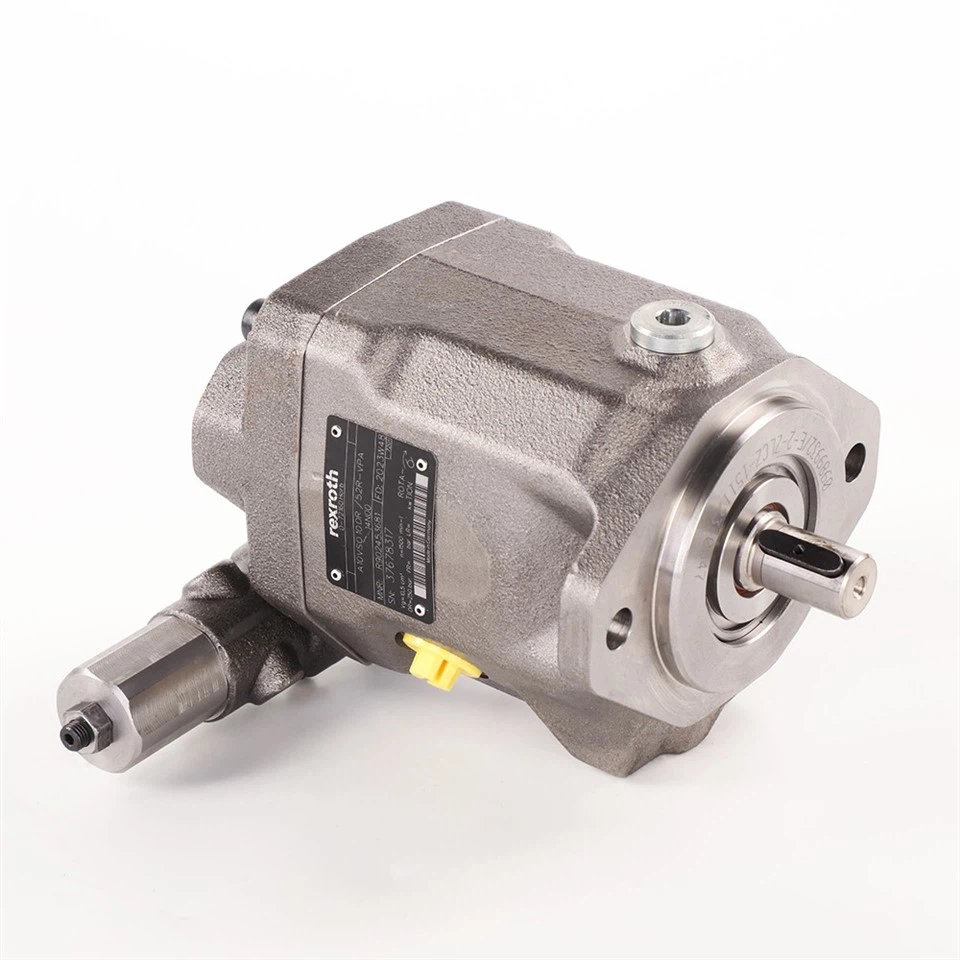
In addition to the A4VG Pump, we also offer a range of complementary products that can enhance the protection and performance of the pump in a mining environment. For example, the A10VSO10DR/52R -VPA14N00 R902453681 Hydraulic Pump of Rexroth for Industrial Equipment in Stock is a reliable option for various industrial applications, including mining. It is designed to withstand harsh conditions and can work in conjunction with the A4VG Pump to provide a more efficient hydraulic system.
The A11VLO Pump is another product that offers high performance and durability. It is suitable for heavy-duty applications in the mining industry and can help to ensure the smooth operation of the hydraulic system.
The A2FO Pump is also a great choice for mining applications. It is known for its high efficiency and reliability, and can be used in combination with the A4VG Pump to meet the specific requirements of the mining operation.
Conclusion
Protecting the A4VG Pump from dust and debris in a mining environment is crucial for its performance and longevity. By implementing the strategies outlined in this blog, such as proper enclosure and sealing, regular maintenance and inspection, use of air filtration systems, and hydraulic fluid management, you can significantly reduce the risk of pump damage and ensure its reliable operation.
As a leading A4VG Pump supplier, we are committed to providing high-quality products and comprehensive solutions to meet the needs of our customers in the mining industry. If you are interested in purchasing A4VG Pumps or any of our other products, or if you have any questions about pump protection in mining environments, please feel free to contact us for further discussion and procurement negotiations.
References
- Manufacturer's manual for A4VG Pump
- Industry standards and guidelines for hydraulic pump maintenance in mining environments
- Research papers on the impact of dust and debris on hydraulic pump performance


