


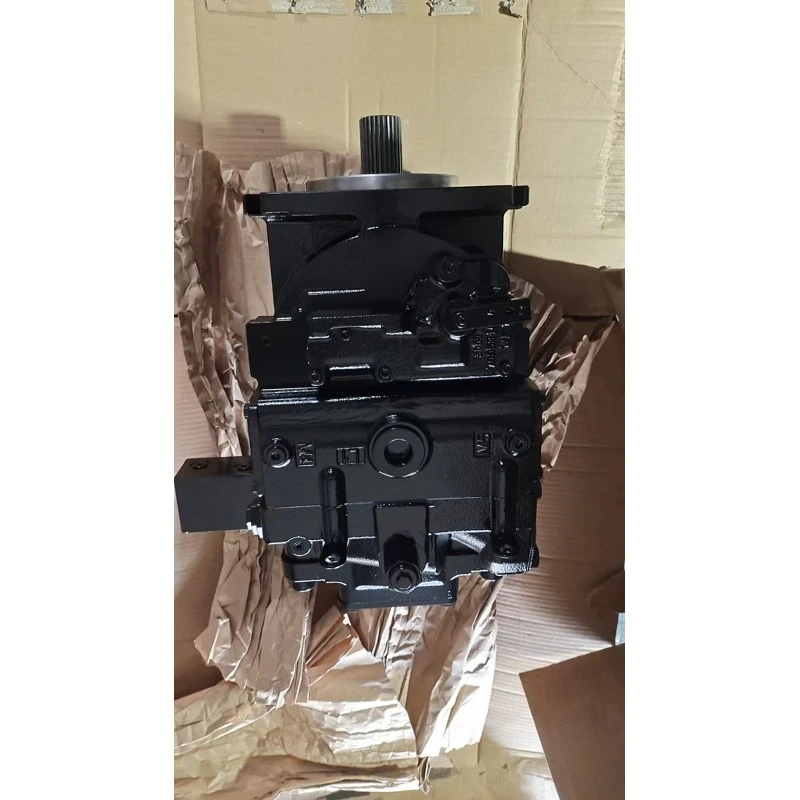
Hey there! I'm a supplier of the H1P Pump, and today I wanna chat about the industry standards this awesome pump meets.
First off, let's talk about why industry standards matter. They're like the rulebook for how products should perform, be made, and be safe. When a pump meets these standards, it means you can trust it to do its job right and keep you out of trouble.
The H1P Pump meets a bunch of international standards that are super important in the pump industry. One of the big ones is ISO (International Organization for Standardization) standards. ISO sets the bar high for quality management, environmental management, and safety. The H1P Pump is designed and manufactured according to ISO 9001, which is all about quality management systems. This means that from the moment the raw materials are sourced to the final testing of the pump, every step is carefully monitored and controlled to ensure top - notch quality.
For example, ISO 9001 requires that a company has a documented quality policy and objectives. We make sure that everyone in our team knows what we're aiming for in terms of quality, and we constantly work towards improving our processes. This translates into a more reliable H1P Pump for you.
Another key ISO standard that the H1P Pump adheres to is ISO 14001 for environmental management. In today's world, being eco - friendly is not just a nice - to - have; it's a must. ISO 14001 helps us manage our environmental impacts. We use materials that are more sustainable, and our manufacturing processes are designed to reduce waste and energy consumption. This way, when you use the H1P Pump, you're not only getting a great product but also doing your bit for the environment.
Safety is also a huge deal, and the H1P Pump meets the requirements of ISO 45001 for occupational health and safety. This standard focuses on keeping our workers safe during the manufacturing process, but it also has implications for the end - users. A pump that is made in a safe environment is more likely to be reliable and free from defects that could cause safety hazards.
Now, let's look at some industry - specific standards. In the hydraulic pump industry, there are standards related to performance, efficiency, and durability. The H1P Pump is designed to meet the standards set by the National Fluid Power Association (NFPA). NFPA has a set of guidelines for hydraulic pumps that cover things like pressure ratings, flow rates, and noise levels.
The H1P Pump has been tested to ensure that it can handle the specified pressure levels without any issues. This is crucial because in many applications, like industrial machinery or construction equipment, the pump needs to work under high pressure. If it can't meet the pressure requirements, it could lead to system failures and costly downtime.
In terms of flow rates, the H1P Pump is engineered to provide a consistent and accurate flow. This is important for applications where precise control of fluid movement is necessary, such as in some manufacturing processes. And the noise levels of the H1P Pump are kept within the acceptable limits set by NFPA. No one wants a noisy pump in their workplace, right?
When comparing the H1P Pump with other pumps in the market, like the 90R Pump and the FRR Pump, the H1P Pump holds its own. While these other pumps also have their own features and advantages, the H1P Pump's compliance with multiple industry standards gives it an edge in terms of quality, safety, and environmental friendliness.
Let's take a look at a specific example. The PVM018ER07CS2A315000001AB Danfoss PVM Piston Pump is a well - known pump in the industry. But the H1P Pump offers similar performance in many aspects while also meeting a broader range of international and industry - specific standards.
In addition to these standards, the H1P Pump also undergoes rigorous in - house testing. We don't just rely on the standards; we want to make sure that our pump goes above and beyond what is required. Our testing includes running the pump for long periods under different conditions to check for any signs of wear and tear, and we also test it for its resistance to corrosion and other environmental factors.
So, if you're in the market for a high - quality, reliable, and environmentally friendly pump, the H1P Pump is a great choice. Whether you're in the industrial sector, construction, or any other field that requires fluid pumping, the H1P Pump can meet your needs.
If you're interested in learning more about the H1P Pump or want to discuss a potential purchase, don't hesitate to reach out. We're here to answer all your questions and help you find the best solution for your specific requirements.
References

- International Organization for Standardization (ISO) standards documentation
- National Fluid Power Association (NFPA) guidelines for hydraulic pumps
- In - house testing reports of the H1P Pump


