


Hey there! As a supplier of A10VO pumps, I've been getting a lot of questions lately about how frequency affects the operation of these pumps, especially when they're controlled by a frequency converter. So, I thought I'd take some time to break it down for you all.
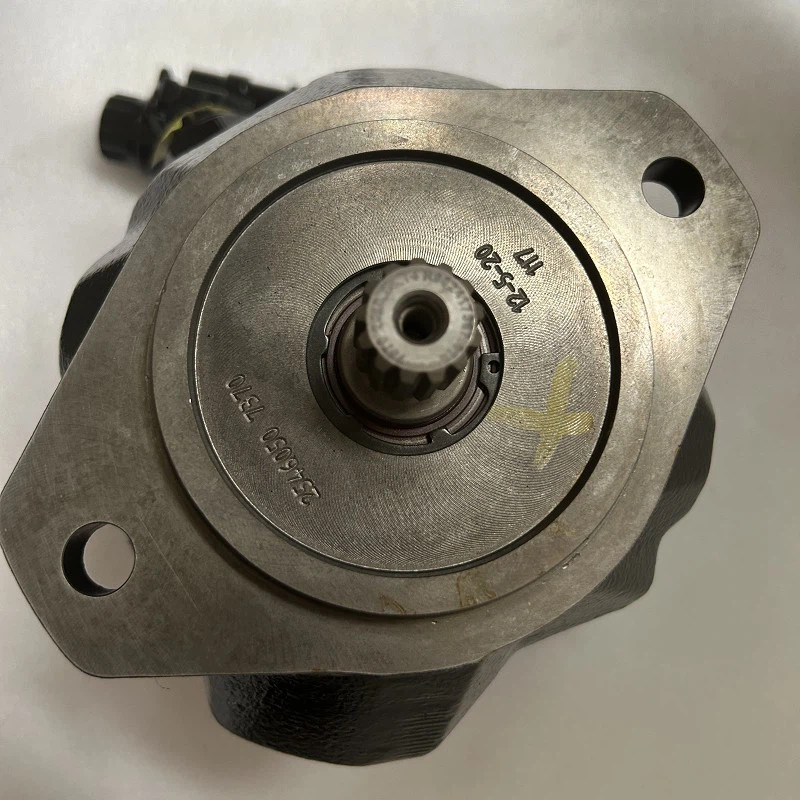
Let's start with the basics. The A10VO pump is a variable displacement axial piston pump known for its high efficiency, reliability, and wide range of applications. When we talk about controlling it with a frequency converter, we're essentially adjusting the speed of the pump motor, which in turn affects the pump's output.
Flow Rate and Frequency
One of the most significant impacts of frequency on the A10VO pump is on the flow rate. The flow rate of a pump is directly proportional to its speed. In simple terms, as the frequency increases, the speed of the motor driving the pump goes up, and so does the flow rate. Conversely, when the frequency decreases, the flow rate drops.
This relationship is crucial for applications where precise control of the fluid flow is required. For example, in a hydraulic system for a machine tool, you might need to adjust the flow rate depending on the specific operation being performed. By using a frequency converter to change the frequency and thus the speed of the A10VO pump, you can achieve this level of control.
Let's say you have a system that requires a certain flow rate to operate effectively. If the frequency is too low, the pump won't be able to deliver enough fluid, which could lead to poor performance or even damage to the equipment. On the other hand, if the frequency is too high, the flow rate might be excessive, causing unnecessary wear and tear on the system components and potentially increasing energy consumption.
Pressure and Frequency
Frequency also has an impact on the pressure generated by the A10VO pump. As the flow rate changes with frequency, the pressure in the hydraulic system can be affected. When the flow rate increases due to a higher frequency, the pressure might also rise, especially if the system has a fixed load or resistance.
However, it's important to note that the relationship between frequency, flow rate, and pressure is not always straightforward. Other factors, such as the pump's displacement, the characteristics of the hydraulic fluid, and the design of the entire hydraulic system, also play a role.
In some cases, you might need to adjust the pressure relief valve or other control devices in the system to maintain the desired pressure levels when changing the frequency. This is where the flexibility of using a frequency converter comes in handy. You can fine - tune the frequency to achieve the right balance between flow rate and pressure for your specific application.
Efficiency and Frequency
Efficiency is another key aspect affected by frequency. The A10VO pump is designed to operate at an optimal efficiency point. When the frequency is adjusted, the pump's efficiency can change.
At lower frequencies, the pump might not be operating at its most efficient speed. The motor might have to work harder to overcome the initial inertia and maintain the required flow rate, which can lead to increased energy consumption. On the other hand, if the frequency is too high, the pump might experience excessive friction and mechanical losses, also reducing efficiency.
To maximize efficiency, it's important to find the sweet spot in terms of frequency for your particular application. This often involves some trial and error, taking into account factors such as the system's load, the required flow rate, and the desired pressure.
Impact on Pump Life
The frequency at which the A10VO pump operates can also have an impact on its lifespan. Running the pump at frequencies outside its recommended range for extended periods can cause premature wear and tear.
For example, if the pump is constantly run at a very high frequency, the internal components will experience more stress and friction. This can lead to faster degradation of parts such as the pistons, cylinders, and bearings. Over time, this can result in reduced performance, increased maintenance requirements, and ultimately, a shorter lifespan for the pump.
Conversely, running the pump at a very low frequency for long periods can also be problematic. The lack of proper lubrication due to low flow rates can cause dry friction between the components, leading to damage.
Real - World Applications
In real - world applications, the ability to control the A10VO pump using a frequency converter offers a lot of advantages. Take the construction industry, for instance. In a A10VO45ED72/31R - VUC12N00P - S3479 Hydraulic Pump of Rexroth for Sany Concrete Pump Truck, the pump needs to deliver concrete at different rates depending on the stage of the construction process. By adjusting the frequency, the operator can control the flow of concrete precisely, ensuring smooth and efficient operation.
In the manufacturing sector, hydraulic systems with A10VO pumps are used in various machines. For example, in a stamping press, the pump needs to provide the right amount of hydraulic pressure and flow to operate the press effectively. A frequency converter allows for quick and easy adjustment of the pump's performance, improving the overall productivity of the machine.
Other Related Pumps
While we're on the topic of hydraulic pumps, it's worth mentioning some other pumps that are related to the A10VO. The A11VO60LRDS/10R - NSC12K02 Hydraulic Piston Pump for Rexroth Concrete Pump Truck is another popular choice for concrete pumping applications. It has similar principles of operation, but with different specifications and performance characteristics.
The A4VSO Pump is also widely used in various hydraulic systems. It offers high power density and excellent control capabilities, making it suitable for a range of industrial applications.
Conclusion
In conclusion, frequency has a significant influence on the operation of the A10VO pump when controlled by a frequency converter. It affects the flow rate, pressure, efficiency, and lifespan of the pump. By understanding these relationships, you can make the most of the A10VO pump in your hydraulic systems, achieving better performance, higher efficiency, and longer equipment life.
If you're in the market for an A10VO pump or have any questions about how frequency control can benefit your application, don't hesitate to reach out. We're here to help you find the right solution for your needs and ensure that your hydraulic system operates at its best.

References
- Hydraulic Pump Handbook, Various Authors
- Technical Documentation of A10VO Pumps, Manufacturer's Manuals


