


Hey there! As a supplier of A11VLO pumps, I often get asked about the mounting method of these pumps. So, I thought I'd write a blog post to share some insights on this topic.
First off, let's talk a bit about the A11VLO pump. It's a high - performance axial piston pump known for its reliability and efficiency. Whether you're in the construction, manufacturing, or any other industry that relies on hydraulic systems, the A11VLO can be a great choice.
Types of Mounting
There are mainly two common mounting methods for the A11VLO pump: flange mounting and foot mounting.
Flange Mounting
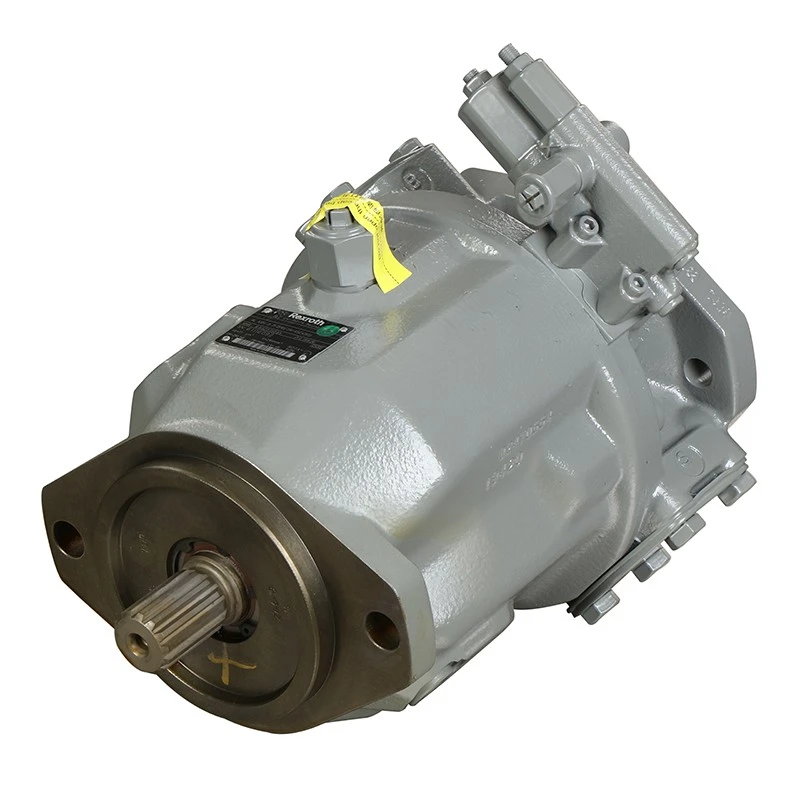
Flange mounting is a popular option. It provides a very secure and rigid connection. The pump has a flange on one end, which is designed to be bolted directly to a mating surface, like a gearbox or a motor. This type of mounting ensures that the pump is properly aligned with the power source. When you use flange mounting, it's crucial to make sure that the flange surfaces are clean and free from any debris. Any dirt or unevenness can lead to misalignment, which might cause premature wear and tear on the pump components. Also, the bolts used for flange mounting need to be tightened to the correct torque specification. Over - tightening can damage the flange, while under - tightening can result in a loose connection that may cause vibrations and noise during operation.
Foot Mounting
Foot mounting is another option. In this method, the pump is mounted on a base or a frame using its feet. The feet are usually located at the bottom of the pump. Foot mounting offers more flexibility in terms of installation. You can position the pump in different orientations, depending on the layout of your hydraulic system. However, just like with flange mounting, proper alignment is key. You need to ensure that the feet are sitting flat on the mounting surface. If the surface is not level, it can put stress on the pump housing and affect its performance. And, of course, the bolts used to secure the feet need to be tightened correctly.
Pre - installation Checks
Before you start mounting the A11VLO pump, there are a few important pre - installation checks you should do.
Inspect the Pump
First, carefully inspect the pump for any visible damage. Check for cracks in the housing, scratches on the shaft, or any other signs of wear. If you find any damage, it's best to contact the manufacturer or your supplier (that's us!) right away.
Check the Mounting Surface
The mounting surface should be flat, clean, and smooth. Use a straightedge to check for flatness. If the surface is not flat, you may need to machine it or use shims to correct the unevenness. Also, make sure the surface is free from oil, grease, or any other contaminants that could prevent a good connection.
Prepare the Bolts and Gaskets
Use the correct type and size of bolts for mounting. The bolts should be made of high - quality material to ensure a strong and durable connection. If gaskets are required, make sure they are in good condition and the right size for the pump.
Step - by - Step Mounting Process
Let's go through the step - by - step process of mounting the A11VLO pump.
Positioning
Place the pump in the desired location on the mounting surface. If you're using flange mounting, align the flange holes with the holes on the mating surface. For foot mounting, make sure the feet are centered on the base or frame.
Insert the Bolts
Insert the bolts through the holes in the flange or the feet. Do not fully tighten them at this stage. Just hand - tighten them enough to hold the pump in place.
Alignment Check
Use alignment tools, such as a dial indicator, to check the alignment of the pump shaft with the power source. The alignment should be within the specified tolerance. If the alignment is off, make the necessary adjustments by moving the pump slightly or using shims.
Tighten the Bolts
Once the alignment is correct, start tightening the bolts in a criss - cross pattern. This helps to ensure even tightening and prevents the pump from being distorted. Tighten the bolts to the recommended torque value, which can be found in the pump's technical documentation.
Comparing with Other Pumps
It's interesting to compare the mounting of the A11VLO pump with other pumps in the market. For example, the A4VTG Pump and the A10VSO Pump have their own unique mounting requirements. The A4VTG Pump may have different flange or foot designs, and the alignment tolerances might vary. Similarly, the A10VO45ED72 - 32R - VUC12N00P Hydraulic Piston Pump for Rexroth Concrete Pump Truck is designed for a specific application, and its mounting needs to be optimized for that use case.

Troubleshooting Mounting Issues
Sometimes, you might encounter some issues during the mounting process. Here are a few common problems and how to solve them.
Difficulty in Alignment
If you're having trouble aligning the pump, double - check the mounting surface for flatness. You may also need to use a more precise alignment tool. If the problem persists, it could be due to a manufacturing defect in the pump or the mating surface. In this case, get in touch with us, and we can help you figure out the best solution.
Loose Bolts
If the bolts keep coming loose during operation, it could be because they were not tightened to the correct torque. Check the torque values and retighten the bolts. You may also consider using lock washers or thread - locking compounds to prevent the bolts from loosening.
Why Choose Our A11VLO Pumps
As a supplier, we take pride in offering high - quality A11VLO pumps. Our pumps are sourced from reliable manufacturers and undergo strict quality control checks. We also provide comprehensive technical support to help you with the installation and mounting process. Whether you're a small - scale workshop or a large industrial enterprise, we can meet your needs.
Contact Us for Purchase
If you're interested in purchasing A11VLO pumps or have any questions about the mounting process, don't hesitate to reach out. We're here to assist you with all your hydraulic pump needs. You can contact us to start a conversation about your requirements, and we'll work with you to find the best solution for your application.
References
- Rexroth Hydraulic Pump Technical Manual
- Hydraulic System Installation and Maintenance Guides


