


Hey there! As a supplier of the D1P Pump, I've had a fair share of interactions with customers, and one question that often pops up is, "Are there any disadvantages of the D1P Pump?" Well, like any product out there, the D1P Pump isn't without its drawbacks. In this blog, I'm gonna break down some of the potential disadvantages you might wanna know about.
1. High Initial Cost
Let's start with the elephant in the room - the price. The D1P Pump comes with a relatively high initial cost. This can be a major deterrent for small - scale businesses or those on a tight budget. You see, developing and manufacturing a high - performance pump like the D1P involves a lot of advanced technology and high - quality materials. All these factors drive up the production cost, which is then reflected in the price tag.
For example, if you're a startup in the fluid - handling industry, shelling out a large sum of money upfront for a D1P Pump might not be feasible. You'd probably be looking for more budget - friendly options that can still get the job done. This high cost can also limit the market reach of the D1P Pump, as not everyone can afford to invest in it right off the bat.
2. Complex Installation and Maintenance
The D1P Pump is a sophisticated piece of equipment, and that means its installation and maintenance aren't exactly a walk in the park. Installing the pump requires a certain level of technical expertise. You can't just have anyone off the street come in and set it up. Professional installers are needed to ensure that the pump is installed correctly, or else you might run into issues down the line.
Maintenance is another area where things can get tricky. The D1P Pump has a lot of intricate components, and regular maintenance is crucial to keep it running smoothly. This includes tasks like checking the seals, lubricating moving parts, and monitoring the pump's performance. If you don't have a dedicated maintenance team or if you're not willing to pay for professional maintenance services, you could end up with a malfunctioning pump. And let's not forget that maintenance costs can add up over time, further increasing the overall cost of ownership.
3. Limited Compatibility
The D1P Pump might not be compatible with all types of fluids or systems. It's designed to work within specific parameters, and if you try to use it with fluids that are outside of those parameters, you could face problems. For instance, if the fluid has a high viscosity or contains abrasive particles, it could cause excessive wear and tear on the pump's components.
In addition, the D1P Pump might not be a good fit for all system configurations. Some older systems might not be able to handle the pump's power requirements or might have different connection standards. This means that you might need to make significant modifications to your existing system to use the D1P Pump, which can be time - consuming and expensive.
4. Noise and Vibration
During operation, the D1P Pump can generate a fair amount of noise and vibration. This can be a problem, especially in environments where noise levels need to be kept to a minimum, like in hospitals or residential areas. The noise can also be a nuisance for workers who are operating the pump on a regular basis, potentially leading to hearing problems over time.
Vibration can also cause issues. It can loosen connections and components within the pump and the surrounding system, leading to leaks and other mechanical failures. To mitigate these problems, additional noise - reducing and vibration - damping measures might be required, which again adds to the cost.
5. Energy Consumption
The D1P Pump is a powerful machine, and with that power comes relatively high energy consumption. In today's world, where energy efficiency is a top priority for many businesses, this can be a significant drawback. High energy consumption not only means higher electricity bills but also has a negative impact on the environment.
If you're running a large - scale operation with multiple D1P Pumps, the energy costs can really start to stack up. You might find yourself looking for more energy - efficient alternatives to reduce your operational costs and your carbon footprint.

Comparing with Other Pumps
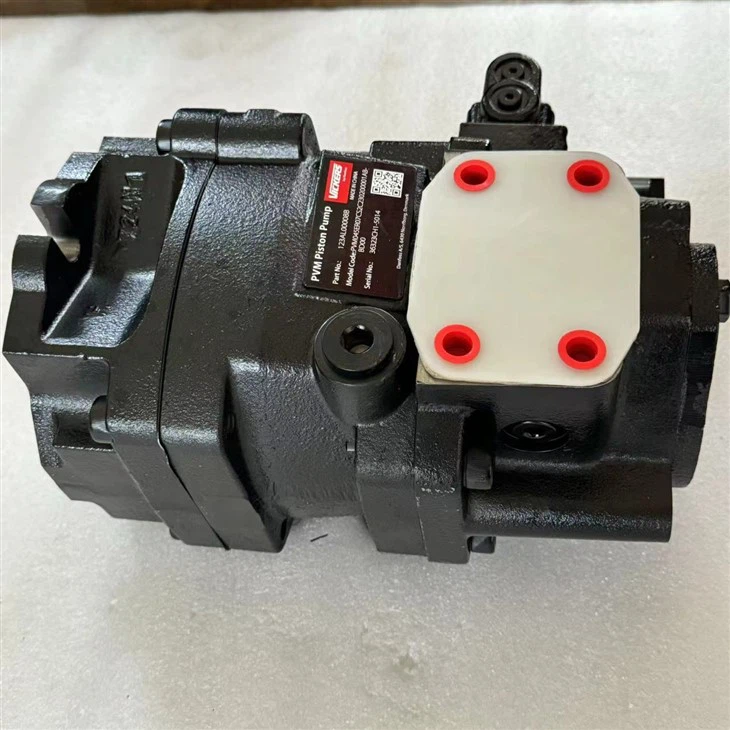
To put things into perspective, let's take a look at some other pumps in the market. For example, the PVM045ER07CS2C230200001AB - BD00 Danfoss PVM Piston Pump VICKERS By Danfoss and the PVM074ER11GS2C31520000CAB Danfoss PVM Piston Pump VICKERS By Danfoss and PVM018ER07CS2A315000001AB Danfoss PVM Piston Pump. These pumps might have different features and performance characteristics. Some of them might be more energy - efficient, while others might be more affordable. It's important to do your research and compare different pumps based on your specific needs before making a decision.
Should You Still Consider the D1P Pump?
Despite these disadvantages, the D1P Pump still has a lot going for it. It offers high performance, reliability, and durability. If you're in an industry where these qualities are non - negotiable, then the D1P Pump might still be the right choice for you. For example, in the oil and gas industry, where pumps need to operate under extreme conditions, the D1P Pump's robustness can be a huge advantage.
If you're considering purchasing a D1P Pump, I'd recommend having a detailed discussion with us. We can help you assess whether the pump is suitable for your specific application, and we can also provide you with solutions to mitigate some of the potential disadvantages.
Conclusion
In conclusion, while the D1P Pump has its disadvantages, it also offers a lot of benefits. The key is to weigh the pros and cons based on your specific requirements. If you're interested in learning more about the D1P Pump or discussing a potential purchase, don't hesitate to reach out. We're here to help you make an informed decision and find the best pumping solution for your needs.
References
- Industry reports on pump technology and performance
- Manufacturer's documentation on the D1P Pump


