


Hey there! I'm a supplier of D1P Pumps, and today I'm stoked to break down how these bad boys work. If you're in the market for a reliable pump, you've come to the right place. Let's dive in!
The Basics of the D1P Pump
The D1P Pump is a type of piston pump that's used in a whole bunch of industrial applications. It's known for its high efficiency, durability, and precision. Whether you're working in construction, agriculture, or manufacturing, the D1P Pump can get the job done.
At its core, the D1P Pump works by converting mechanical energy into hydraulic energy. It does this through a series of pistons that move back and forth inside a cylinder block. As the pistons move, they create a vacuum that draws fluid into the pump. Then, as the pistons push forward, they force the fluid out of the pump at high pressure.
The Components of the D1P Pump
To understand how the D1P Pump works, it's important to know its key components. Here's a quick rundown:
- Cylinder Block: This is where the pistons move back and forth. It's usually made of a high-strength material like steel or aluminum.
- Pistons: These are the moving parts that create the vacuum and pressure inside the pump. They're typically made of a durable material like ceramic or tungsten carbide.
- Swash Plate: This is a flat plate that's tilted at an angle. As the cylinder block rotates, the pistons slide along the swash plate, causing them to move back and forth.
- Valve Plate: This is a stationary plate that controls the flow of fluid into and out of the pump. It has a series of ports that open and close as the pistons move.
- Drive Shaft: This is what connects the pump to the power source, like an engine or electric motor. It rotates the cylinder block, which in turn moves the pistons.
How the D1P Pump Works
Now that you know the components, let's take a closer look at how the D1P Pump works. Here's a step-by-step breakdown:
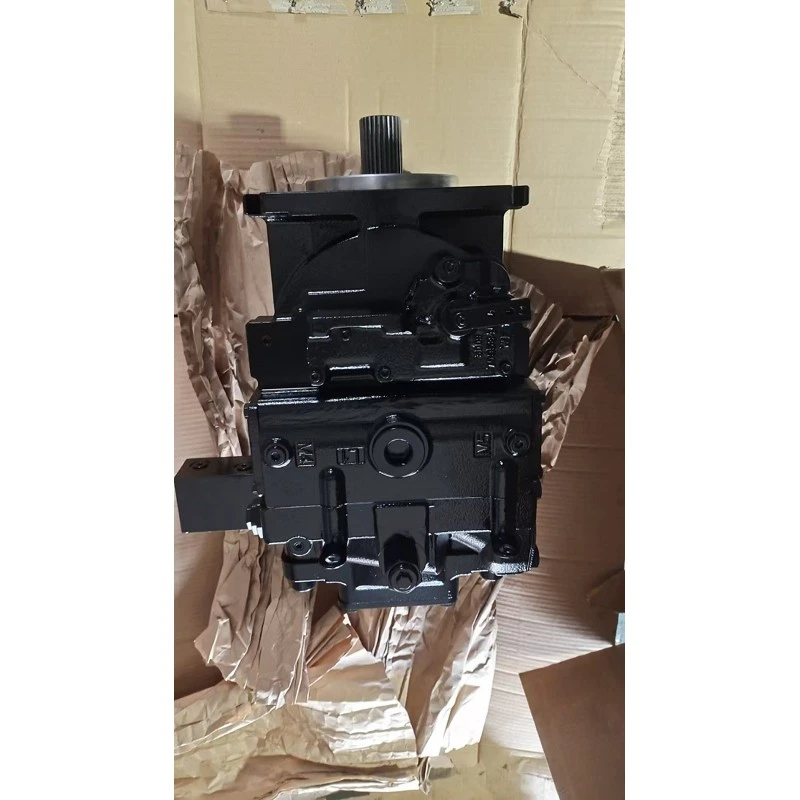

- Intake Stroke: As the drive shaft rotates, the cylinder block also rotates. This causes the pistons to slide along the swash plate, moving them away from the valve plate. As the pistons move, they create a vacuum inside the cylinder block, which draws fluid into the pump through the intake port.
- Compression Stroke: As the cylinder block continues to rotate, the pistons slide back towards the valve plate. This compresses the fluid inside the cylinder block, increasing its pressure.
- Discharge Stroke: Once the fluid is compressed, the valve plate opens the discharge port. The high-pressure fluid then flows out of the pump through the discharge port and into the hydraulic system.
- Repeat: The process repeats itself over and over again, creating a continuous flow of fluid through the pump.
Advantages of the D1P Pump
The D1P Pump offers several advantages over other types of pumps. Here are just a few:
- High Efficiency: The D1P Pump is designed to convert mechanical energy into hydraulic energy with minimal losses. This means it can operate at a high efficiency, saving you money on energy costs.
- Durability: The D1P Pump is built to last. Its components are made of high-strength materials that can withstand harsh operating conditions. This means it can operate reliably for years, reducing downtime and maintenance costs.
- Precision: The D1P Pump is capable of delivering precise amounts of fluid at a consistent pressure. This makes it ideal for applications that require accurate control of fluid flow, like hydraulic systems in heavy machinery.
- Versatility: The D1P Pump can be used in a wide range of applications, from small-scale industrial equipment to large-scale construction machinery. Its compact size and high power density make it a popular choice for many different industries.
Related Pumps
If you're interested in the D1P Pump, you might also want to check out some related pumps. Here are a few options:
- JRR Pump: This is another type of piston pump that's known for its high efficiency and reliability. It's often used in hydraulic systems for construction equipment and industrial machinery.
- 90R Pump: This is a popular pump that's used in a variety of applications, including agriculture, mining, and forestry. It's known for its high power density and long service life.
- PVH Pump: This is a high-performance pump that's designed for use in demanding applications. It's often used in hydraulic systems for heavy machinery and industrial equipment.
Contact Us for Purchase and Negotiation
If you're interested in purchasing a D1P Pump or have any questions about our products, don't hesitate to get in touch. We're here to help you find the right pump for your needs and provide you with the best possible service. Whether you're a small business owner or a large corporation, we can work with you to find a solution that fits your budget and requirements. So, drop us a line and let's start the conversation!
References
- Manufacturer's documentation for D1P Pump
- Industry standards and guidelines for piston pumps


