


Hey there! As a supplier of A10VO Pumps, I often get asked about how to adjust the flow rate of these pumps. It's a crucial aspect of pump operation, and getting it right can make a huge difference in the performance of your hydraulic system. So, let's dive right in and explore the ins and outs of adjusting the flow rate of the A10VO Pump.
Understanding the A10VO Pump
Before we start talking about flow rate adjustment, it's important to have a basic understanding of the A10VO Pump. This pump is a variable displacement axial piston pump, which means it can change the amount of fluid it delivers based on the needs of the system. It's widely used in various industrial applications, including construction machinery, machine tools, and material handling equipment.
The A10VO Pump has a swashplate design, which is the key to its variable displacement feature. The swashplate is an inclined plate that the pistons ride on. When the swashplate angle changes, the stroke length of the pistons also changes, which in turn affects the volume of fluid displaced by the pump. By adjusting the swashplate angle, we can control the flow rate of the pump.
Why Adjust the Flow Rate?
There are several reasons why you might need to adjust the flow rate of the A10VO Pump. One common reason is to match the pump's output to the requirements of the hydraulic system. Different applications have different flow rate needs, and by adjusting the pump, you can ensure that the system operates efficiently and effectively.
Another reason is to optimize energy consumption. Running the pump at a higher flow rate than necessary can waste energy and increase operating costs. By adjusting the flow rate to the minimum required for the task, you can save energy and reduce your overall expenses.
Tools You'll Need
Before you start adjusting the flow rate of the A10VO Pump, you'll need a few tools. Here's a basic list:
- Wrenches: You'll need a set of wrenches to loosen and tighten the nuts and bolts on the pump. Make sure you have the right sizes for your pump.
- Pressure Gauge: A pressure gauge is essential for monitoring the pressure in the hydraulic system. It will help you determine if the flow rate adjustment is having the desired effect.
- Flow Meter: A flow meter can be used to measure the actual flow rate of the pump. This is especially useful if you need to make precise adjustments.
- Service Manual: The service manual for your A10VO Pump is a valuable resource. It contains detailed instructions on how to adjust the flow rate, as well as other important information about the pump's operation and maintenance.
Step-by-Step Guide to Adjusting the Flow Rate
Now that you have the necessary tools and a basic understanding of the A10VO Pump, let's go through the steps to adjust the flow rate:
Step 1: Safety First
Before you start working on the pump, make sure the hydraulic system is shut down and depressurized. This will prevent any accidental injuries or damage to the pump.
Step 2: Locate the Flow Control Mechanism
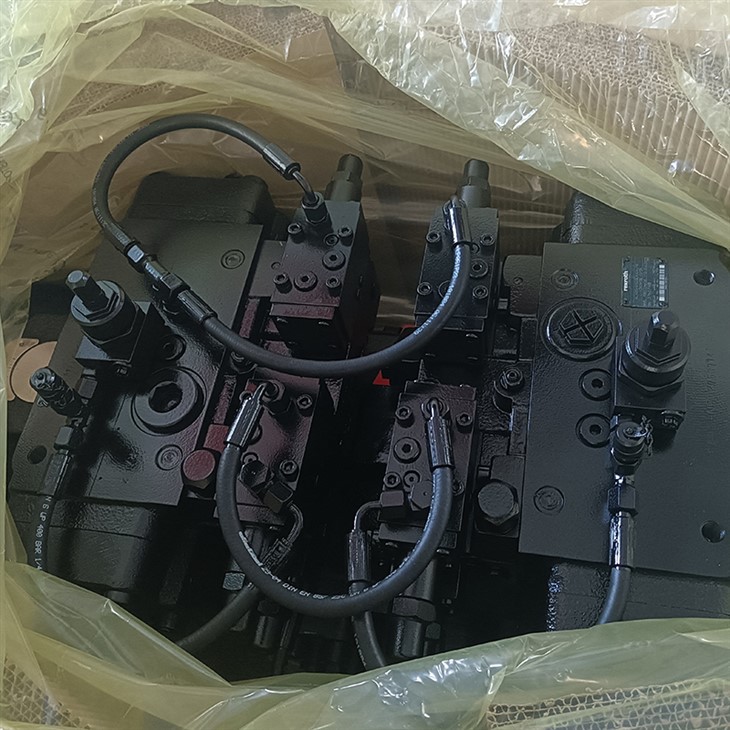
The flow control mechanism on the A10VO Pump is usually located on the side of the pump. It may be a screw or a lever, depending on the model of the pump. Refer to the service manual to find the exact location of the flow control mechanism.
Step 3: Monitor the Pressure and Flow Rate
Connect the pressure gauge and flow meter to the hydraulic system. Start the pump and let it run for a few minutes to stabilize the pressure and flow rate. Take note of the initial pressure and flow rate readings.
Step 4: Make Small Adjustments
Using the appropriate tool, make small adjustments to the flow control mechanism. Turn the screw or move the lever in small increments. After each adjustment, wait a few minutes for the system to stabilize and then check the pressure and flow rate readings.

Step 5: Check the System Performance
As you make adjustments, pay attention to the performance of the hydraulic system. Does the system operate more smoothly? Are there any signs of overheating or excessive noise? If you notice any issues, stop making adjustments and consult the service manual or a professional technician.
Step 6: Repeat the Process
Continue making small adjustments and checking the pressure and flow rate readings until you achieve the desired flow rate. Remember, it's better to make small adjustments and take your time than to make large adjustments and risk damaging the pump.
Step 7: Lock the Adjustment
Once you've achieved the desired flow rate, lock the flow control mechanism in place. This will prevent the adjustment from changing during operation.
Tips and Tricks
- Take Notes: As you make adjustments, keep a record of the changes you make and the corresponding pressure and flow rate readings. This will help you track your progress and make more informed adjustments in the future.
- Be Patient: Adjusting the flow rate of the A10VO Pump takes time and patience. Don't rush the process, and make sure you give the system enough time to stabilize after each adjustment.
- Seek Professional Help: If you're unsure about how to adjust the flow rate or if you encounter any problems during the process, don't hesitate to seek professional help. A qualified technician can provide you with expert advice and assistance.
Other Related Pumps
If you're interested in other types of pumps, we also supply the A10VG Pump, A4VTG Pump, and A20VO Pump. These pumps have their own unique features and applications, and our team can help you choose the right pump for your needs.
Conclusion
Adjusting the flow rate of the A10VO Pump is an important task that can improve the performance and efficiency of your hydraulic system. By following the steps outlined in this blog post and using the right tools, you can make the necessary adjustments with confidence. If you have any questions or need further assistance, feel free to contact us. We're here to help you get the most out of your A10VO Pump. Whether you're in the market for a new pump or need help with an existing one, don't hesitate to reach out for a purchase negotiation. We look forward to working with you!
References
- Bosch Rexroth A10VO Pump Service Manual
- Hydraulic Pump Handbook


