


As a reliable supplier of A4VSO pumps, I understand the significance of these high - performance hydraulic pumps in various industrial applications. However, like any mechanical equipment, A4VSO pumps may encounter failures. In this blog, I'll share some effective troubleshooting methods to help you address common A4VSO pump failures.
1. Understanding the A4VSO Pump
Before delving into troubleshooting, it's essential to have a basic understanding of the A4VSO pump. The A4VSO pump is an axial piston pump known for its high efficiency, variable displacement, and excellent control characteristics. It is widely used in construction machinery, industrial equipment, and other fields where precise hydraulic power is required.
2. Common A4VSO Pump Failures and Troubleshooting
2.1 No Output Pressure
- Possible Causes
- Suction Problem: The pump may not be able to draw in hydraulic fluid properly. This could be due to a clogged suction filter, a damaged suction hose, or a low fluid level in the reservoir.
- Internal Leakage: Worn - out pistons, cylinders, or valve plates can cause internal leakage, preventing the pump from building up pressure.
- Control System Failure: Malfunctions in the pump's control system, such as a faulty control valve or a damaged solenoid, can lead to no output pressure.
- Troubleshooting Steps
- Check the Suction System: Inspect the suction filter and clean or replace it if it is clogged. Examine the suction hose for any signs of damage or kinking. Ensure that the fluid level in the reservoir is sufficient.
- Inspect for Internal Leakage: Disassemble the pump and check the pistons, cylinders, and valve plates for wear. Replace any damaged components.
- Test the Control System: Use diagnostic tools to check the functionality of the control valve and solenoid. Replace any faulty parts.
2.2 Low Output Pressure
- Possible Causes
- Worn Components: Over time, the pump's internal components, such as pistons, shoes, and swash plates, can wear out, reducing the pump's volumetric efficiency and output pressure.
- Incorrect Setting: The pump's displacement setting may be incorrect, resulting in lower output pressure than required.
- Fluid Viscosity Issues: If the hydraulic fluid has a too - low viscosity, it can cause internal leakage and reduced pressure.
- Troubleshooting Steps
- Replace Worn Components: Disassemble the pump and replace any worn - out parts. Make sure to use high - quality replacement components.
- Adjust the Displacement Setting: Refer to the pump's manual to adjust the displacement setting to the correct value.
- Check the Fluid Viscosity: Measure the viscosity of the hydraulic fluid and ensure it meets the pump's specifications. If necessary, change the fluid.
2.3 Excessive Noise
- Possible Causes
- Cavitation: Cavitation occurs when the pressure in the suction line drops below the vapor pressure of the hydraulic fluid, causing the formation of vapor bubbles. These bubbles collapse when they enter the high - pressure area, creating a loud noise.
- Loose Mounting: If the pump is not properly mounted, it can vibrate and produce excessive noise.
- Worn Bearings: Worn bearings can cause uneven rotation and noise in the pump.
- Troubleshooting Steps
- Address Cavitation: Check the suction line for any restrictions or leaks. Increase the fluid level in the reservoir if necessary. Install a larger suction filter or a suction line with a larger diameter.
- Tighten the Mounting Bolts: Inspect the pump's mounting and tighten any loose bolts. Use vibration - damping pads if needed.
- Replace Worn Bearings: Disassemble the pump and replace any worn bearings.
2.4 Overheating
- Possible Causes
- High - Pressure Operation: Continuous operation at high pressures can generate excessive heat in the pump.
- Internal Leakage: As mentioned before, internal leakage can cause the pump to work harder, leading to overheating.
- Inadequate Cooling: If the hydraulic system does not have proper cooling, the heat generated by the pump cannot be dissipated effectively.
- Troubleshooting Steps
- Reduce the Operating Pressure: Check the system's pressure settings and adjust them to a reasonable level.
- Fix Internal Leakage: Disassemble the pump and repair or replace any components causing internal leakage.
- Improve Cooling: Check the cooling system, such as the radiator or cooler, and ensure it is functioning properly. Clean or replace any clogged cooling components.
3. Preventive Maintenance
To minimize the occurrence of A4VSO pump failures, it is crucial to implement a regular preventive maintenance program.
- Regular Fluid Changes: Change the hydraulic fluid at the recommended intervals to prevent contamination and ensure proper lubrication.
- Filter Replacement: Replace the suction and return filters regularly to prevent dirt and debris from entering the pump.
- Inspection and Adjustment: Periodically inspect the pump's components for wear and tear. Adjust the pump's settings as needed to maintain optimal performance.
4. Related Products
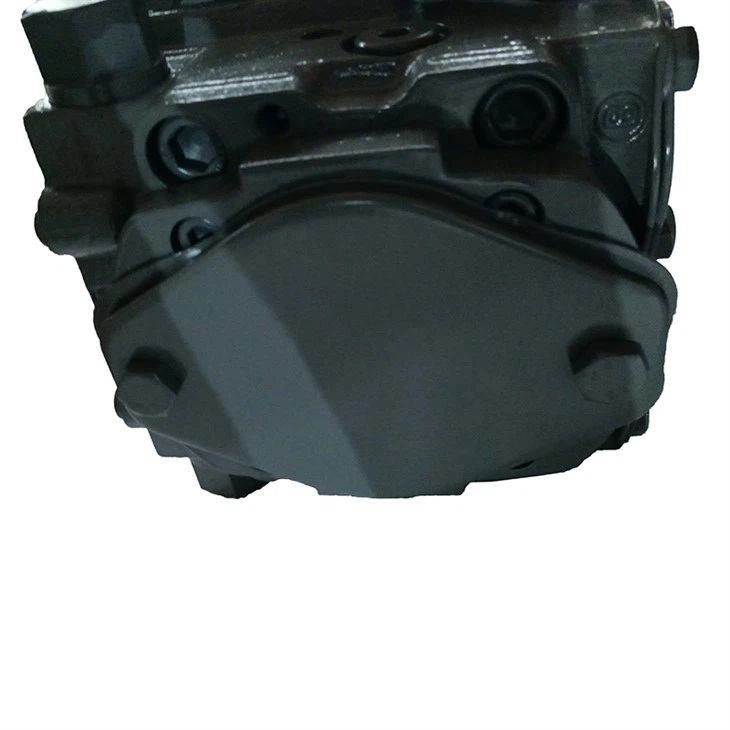
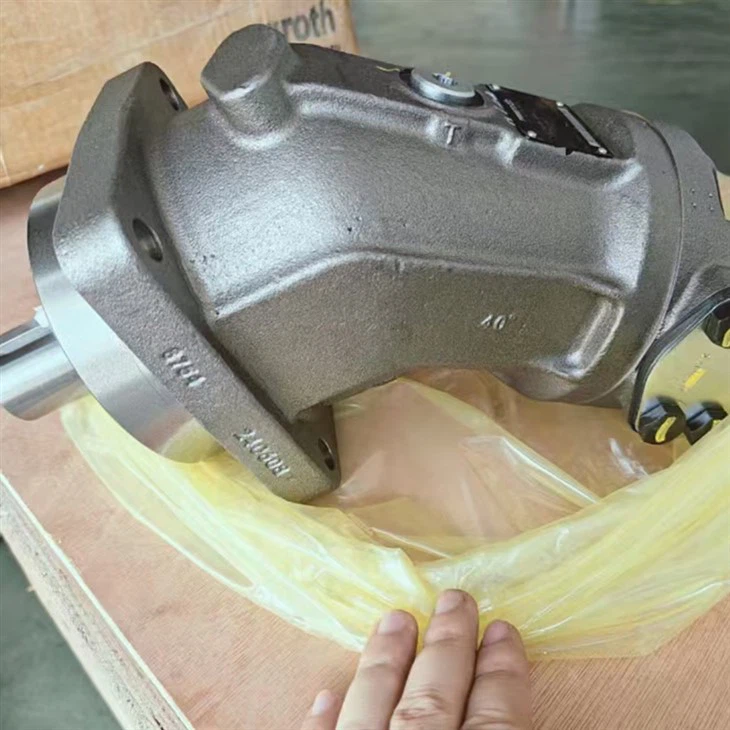
If you are also interested in other types of hydraulic pumps, we also supply a wide range of products, such as the A2FO Pump. This pump is known for its reliability and efficiency. We also have the A2FO56/61R - PBB05 Hydraulic Pump of Rexroth for Walking Machinery in Stock, which is suitable for walking machinery. And for Rexroth concrete pump trucks, we offer the A10VG090EP2DP00/11NRNC4V91UB2S4AE0 - 0 Hydraulic Piston Pump.
5. Contact for Purchase and Consultation
If you are experiencing A4VSO pump failures or are interested in purchasing our A4VSO pumps or other related products, please feel free to contact us for in - depth discussions and procurement negotiations. We have a professional team to provide you with detailed product information and technical support.
References
- "Hydraulic Pumps and Motors: Fundamentals, Selection, and Application" by Thoma R. Liptak
- Manufacturer's manuals for A4VSO pumps


