


As a supplier of A10VO pumps, I've encountered numerous situations where customers face issues with unstable pressure in these pumps. In this blog post, I'll share some effective troubleshooting steps to help you address this common problem.
Understanding the A10VO Pump
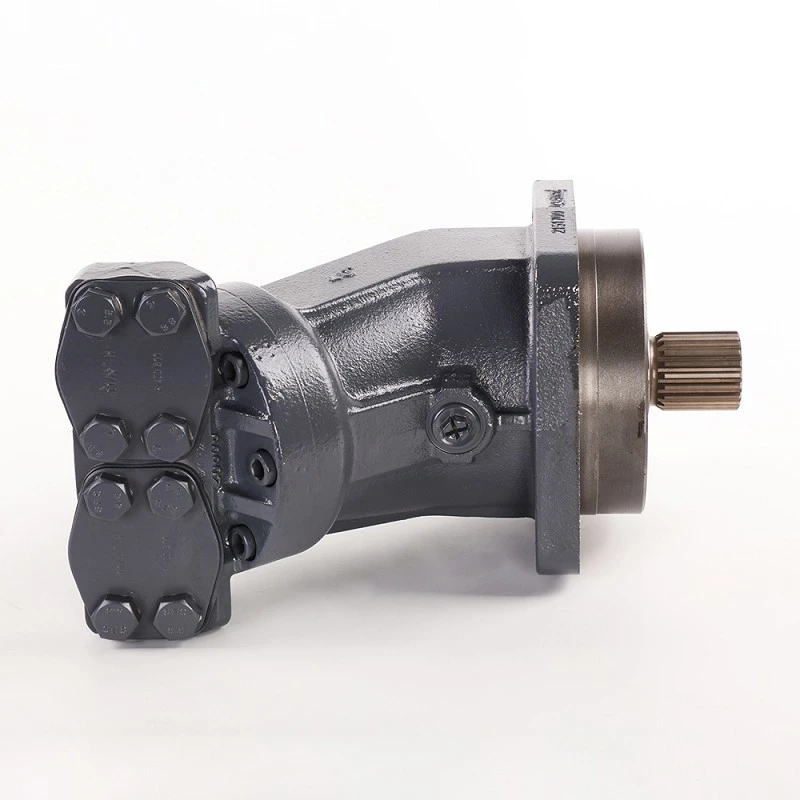
The A10VO pump is a widely used hydraulic piston pump known for its high efficiency, reliability, and precise control. It is commonly used in various industrial applications, including construction machinery, agricultural equipment, and manufacturing processes. However, like any mechanical device, it can experience problems over time, and unstable pressure is one of the most frequent issues.

Possible Causes of Unstable Pressure
- Contaminated Hydraulic Fluid: Contaminants such as dirt, metal particles, or water in the hydraulic fluid can cause wear and tear on the pump components, leading to pressure fluctuations.
- Worn or Damaged Pump Components: Over time, the pump's internal components, such as pistons, cylinders, and valves, can wear out or become damaged. This can result in leaks, reduced efficiency, and unstable pressure.
- Incorrect Pump Settings: If the pump is not set up correctly, it may not be able to maintain a stable pressure. This could be due to incorrect adjustment of the pressure relief valve, flow control valve, or other settings.
- Air in the Hydraulic System: Air bubbles in the hydraulic fluid can cause cavitation, which can damage the pump and lead to pressure instability.
- Overheating: Excessive heat can cause the hydraulic fluid to break down, reducing its lubricating properties and increasing the risk of component wear. This can also lead to pressure fluctuations.
Troubleshooting Steps
- Check the Hydraulic Fluid: Start by checking the hydraulic fluid level and condition. If the fluid is low, top it up to the recommended level. If the fluid is dirty or contaminated, drain and replace it with clean, high-quality hydraulic fluid. Make sure to follow the manufacturer's recommendations for the type and grade of fluid to use.
- Inspect the Pump Components: Carefully inspect the pump's internal components for signs of wear or damage. Look for scratches, scoring, or other signs of wear on the pistons, cylinders, and valves. If any components are damaged, they should be replaced immediately. You may need to disassemble the pump to perform a thorough inspection.
- Verify the Pump Settings: Check the pump's settings to ensure they are correct. Refer to the pump's manual or technical documentation for the recommended settings for your specific application. Adjust the pressure relief valve, flow control valve, and other settings as necessary to maintain a stable pressure.
- Bleed the Hydraulic System: To remove air from the hydraulic system, bleed the system according to the manufacturer's instructions. This typically involves opening the bleed valves at various points in the system and allowing the air to escape. Make sure to bleed the system slowly to avoid introducing more air into the system.
- Check for Leaks: Inspect the hydraulic system for leaks. Look for signs of fluid leakage around the pump, hoses, fittings, and other components. If you find any leaks, repair them immediately. Leaks can cause pressure drops and instability in the system.
- Monitor the Temperature: Keep an eye on the hydraulic fluid temperature. If the temperature is too high, it can cause the fluid to break down and lead to pressure fluctuations. Make sure the hydraulic system has adequate cooling and ventilation to prevent overheating.
Additional Tips
- Regular Maintenance: Perform regular maintenance on the A10VO pump to prevent problems from occurring. This includes changing the hydraulic fluid and filters at the recommended intervals, inspecting the pump components for wear and damage, and lubricating the moving parts.
- Use High-Quality Components: When replacing pump components, use high-quality parts that are compatible with the A10VO pump. Using inferior parts can lead to premature wear and failure, which can cause pressure instability and other problems.
- Seek Professional Help: If you are unable to troubleshoot the problem on your own, or if you suspect a more serious issue with the pump, it is recommended to seek the assistance of a professional hydraulic technician. They have the expertise and equipment to diagnose and repair the problem quickly and effectively.
Related Products
If you are in the market for a hydraulic piston pump, we also offer other high-quality products, such as the A7VO55LRH2-63R-NZB01 Hydraulic Piston Pump for Rexroth Concrete Pump Truck and the A10VO45DFLR/31R-VSC12K68 Hydraulic Piston Pump for Rexroth Concrete Pump Truck. We also have the A2FO Pump available for various applications.
Conclusion
Unstable pressure in the A10VO pump can be a frustrating problem, but by following the troubleshooting steps outlined in this blog post, you can identify and resolve the issue quickly and effectively. Remember to perform regular maintenance on the pump to prevent problems from occurring, and use high-quality components when replacing parts. If you have any questions or need further assistance, please don't hesitate to contact us. We are here to help you keep your hydraulic system running smoothly.
References
- Rexroth A10VO Pump Technical Manual
- Hydraulic Systems Maintenance Guide


