


As a supplier of A2FE Motor, I've had the privilege of delving deep into the world of hydraulic motors. The A2FE Motor, a remarkable piece of engineering, is widely recognized for its efficiency and reliability in various industrial applications. In this blog, I'll explore the variable - speed control methods for the A2FE Motor, which are crucial for optimizing its performance in different working conditions.
1. Introduction to A2FE Motor
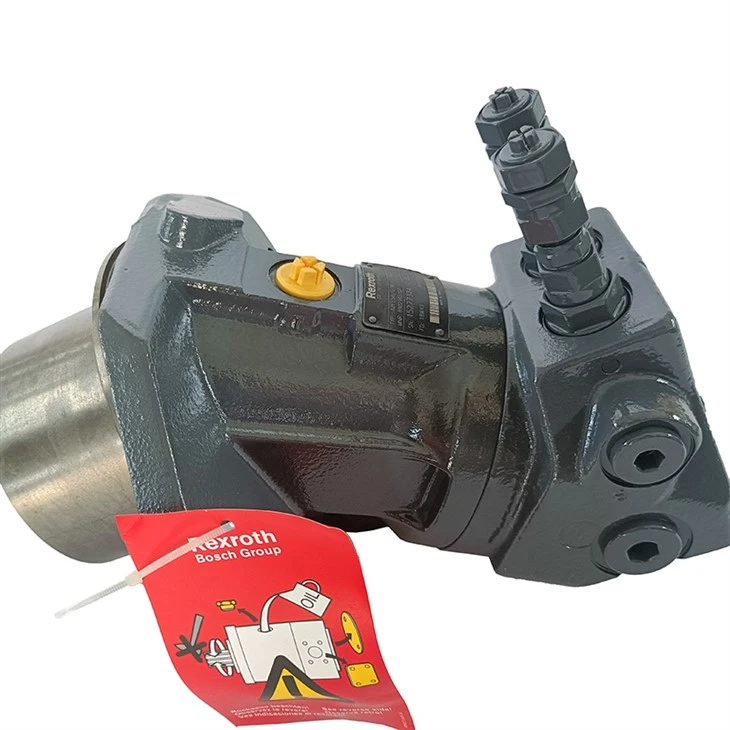
The A2FE Motor is a high - performance hydraulic motor that has found its way into numerous industrial sectors, such as construction machinery, agricultural equipment, and material handling systems. Its design allows for smooth operation and high torque output, making it a popular choice among engineers and operators. You can learn more about the A2FE Motor by visiting A2FE Motor.
2. Variable - Speed Control Basics
Variable - speed control of the A2FE Motor is essential as it enables the motor to adapt to different load requirements and operational conditions. By adjusting the speed of the motor, we can achieve better energy efficiency, reduce wear and tear, and improve overall system performance. There are several methods available for controlling the speed of the A2FE Motor, each with its own advantages and limitations.

3. Throttle Control Method
One of the most straightforward variable - speed control methods for the A2FE Motor is throttle control. This method involves adjusting the flow rate of the hydraulic fluid entering the motor. By using a throttle valve, we can restrict or allow more fluid to pass through, thereby changing the motor's speed.
How it Works
When the throttle valve is partially closed, the flow of hydraulic fluid to the motor is reduced. As a result, the motor receives less power, and its speed decreases. Conversely, when the throttle valve is fully open, the maximum amount of fluid flows into the motor, causing it to run at its maximum speed.
Advantages
- Simplicity: Throttle control is relatively simple to implement. It only requires the installation of a throttle valve in the hydraulic circuit, which is a cost - effective solution.
- Low Cost: The components required for throttle control, such as throttle valves, are generally inexpensive compared to other control methods.
Limitations
- Energy Loss: Throttle control causes significant energy loss as the excess fluid is restricted by the throttle valve. This can lead to higher operating costs and increased heat generation in the hydraulic system.
- Limited Speed Range: The speed range achievable with throttle control is often limited, especially at low speeds where the motor may experience instability.
4. Bypass Control Method
Bypass control is another variable - speed control method for the A2FE Motor. In this method, a bypass valve is used to divert a portion of the hydraulic fluid around the motor.
How it Works
When the bypass valve is opened, some of the hydraulic fluid is redirected away from the motor. This reduces the amount of fluid available to drive the motor, resulting in a decrease in its speed. By adjusting the opening of the bypass valve, we can precisely control the motor's speed.
Advantages
- Better Energy Efficiency: Compared to throttle control, bypass control can be more energy - efficient as it avoids the need to restrict the fluid flow directly. Instead, it diverts the excess fluid, reducing energy losses.
- Smoother Speed Control: Bypass control allows for smoother speed adjustment, especially at low speeds, providing more stable operation.
Limitations
- Complexity: Bypass control requires the installation of a bypass valve and additional piping in the hydraulic circuit, which can increase the complexity of the system.
- Cost: The components for bypass control, such as bypass valves, are often more expensive than throttle valves.
5. Variable - Displacement Pump Control Method
The variable - displacement pump control method involves using a variable - displacement pump in the hydraulic system. By adjusting the displacement of the pump, we can control the flow rate of the hydraulic fluid supplied to the A2FE Motor, thereby changing its speed.
How it Works
A variable - displacement pump can vary the amount of fluid it delivers per revolution. When the displacement of the pump is increased, more fluid is supplied to the motor, and its speed increases. Conversely, when the displacement is decreased, the motor's speed decreases.
Advantages
- High Energy Efficiency: This method is highly energy - efficient as it matches the fluid flow rate to the actual load requirements of the motor. There is minimal energy loss as the pump only delivers the amount of fluid needed.
- Wide Speed Range: Variable - displacement pump control can achieve a wide speed range, from very low to very high speeds, providing great flexibility in different applications.
Limitations
- High Cost: Variable - displacement pumps are more expensive than fixed - displacement pumps, and the control system for adjusting the displacement is also complex and costly.
- Complexity: The installation and maintenance of a variable - displacement pump and its control system require a high level of technical expertise.
6. Electronic Control Method
With the advancement of technology, electronic control has become an increasingly popular method for variable - speed control of the A2FE Motor. This method uses electronic sensors and controllers to monitor and adjust the motor's speed based on various parameters.
How it Works
Electronic sensors are installed in the hydraulic system to measure parameters such as pressure, flow rate, and motor speed. The data from these sensors is sent to an electronic controller, which then calculates the optimal speed for the motor. The controller can adjust the flow rate of the hydraulic fluid by controlling the opening of a proportional valve or the displacement of a variable - displacement pump.
Advantages
- Precise Control: Electronic control allows for very precise speed adjustment, with the ability to respond quickly to changes in load and operating conditions.
- Automation: This method can be easily integrated into automated systems, enabling remote monitoring and control of the motor.
Limitations
- High Cost: Electronic control systems, including sensors, controllers, and proportional valves, are relatively expensive.
- Technical Requirements: The installation and programming of electronic control systems require specialized technical knowledge.
7. Application - Specific Considerations
When choosing a variable - speed control method for the A2FE Motor, it's important to consider the specific application requirements. For example, in applications where cost is a major concern and the speed range is relatively limited, throttle control may be a suitable choice. On the other hand, in applications where energy efficiency and precise speed control are crucial, such as in high - performance industrial machinery, variable - displacement pump control or electronic control may be more appropriate.
If you are interested in our A2FE Motor products, we also have A2FE56 /61W - VZL192J Hydraulic Motor of Rexroth for Walking Machinery in Stock and A4FM28/32W - NSC02 - S Hydraulic Motor of Rexroth in Stock available for your consideration.
8. Conclusion
In conclusion, there are several variable - speed control methods available for the A2FE Motor, each with its own characteristics. Throttle control is simple and low - cost but has energy loss issues. Bypass control offers better energy efficiency and smoother speed control but is more complex and costly. Variable - displacement pump control and electronic control provide high energy efficiency and precise speed control but come with high costs and technical requirements.
As a supplier of the A2FE Motor, we can help you choose the most suitable variable - speed control method for your specific application. If you have any questions or are interested in purchasing our products, please feel free to contact us for further discussion and negotiation. We are committed to providing you with the best solutions for your hydraulic motor needs.
References
- "Hydraulic Motor Handbook" - A comprehensive guide on hydraulic motors and their control methods.
- Industry research papers on hydraulic system design and optimization.


