


As a supplier of the H1P Pump, I'm often asked about the environmental conditions this remarkable piece of equipment can tolerate. Understanding these aspects is crucial for potential customers as it helps them determine if the H1P Pump is the right fit for their specific applications. In this blog, I'll delve into the various environmental factors that the H1P Pump can withstand, providing you with in - depth insights to aid your decision - making process.
Temperature
One of the most critical environmental factors is temperature. The H1P Pump is designed to operate effectively within a wide temperature range. Generally, it can function in ambient temperatures from - 20°C to 60°C. This wide range makes it suitable for a variety of settings, from cold storage facilities where the temperature is kept low to industrial processes that generate significant heat.
In cold environments, the pump's components are engineered to resist the effects of cold - induced brittleness. Specialized seals and lubricants are used to ensure that the pump doesn't experience leaks or reduced efficiency due to the contraction of materials at low temperatures. For instance, in a refrigerated warehouse, the H1P Pump can maintain its performance, ensuring that the fluid transfer processes are carried out smoothly.
On the other hand, in high - temperature environments, the pump's materials are selected to withstand thermal stress. The motor and other internal components are designed with heat - dissipating features. For example, in a chemical processing plant where high - temperature fluids are being pumped, the H1P Pump can operate without overheating, thanks to its efficient cooling mechanisms and heat - resistant materials.
Humidity
Humidity is another factor that can impact the performance of a pump. The H1P Pump is built to tolerate high humidity levels. It can operate in environments with relative humidity up to 95%. This makes it suitable for use in coastal areas, where the air is often saturated with moisture, or in industries such as food processing, where steam and water vapor are prevalent.
The pump's electrical components are protected against moisture ingress. Special coatings are applied to the circuit boards and connectors to prevent corrosion. Additionally, the housing of the pump is designed to be water - resistant, ensuring that the internal components remain dry even in damp conditions. For example, in a fish processing plant, where there is a high level of humidity due to the constant presence of water, the H1P Pump can continue to function reliably without being affected by the moisture in the air.
Dust and Particulates
In industrial settings, dust and particulates are common. The H1P Pump is equipped to handle environments with a certain level of dust. It has an air intake filter that can prevent large dust particles from entering the pump. This filter is designed to be easily replaceable, ensuring that the pump's performance is not compromised over time.
However, for extremely dusty environments, such as mining operations or cement plants, additional precautions can be taken. Optional pre - filters can be installed to further reduce the amount of dust reaching the pump. The pump's internal components are also designed to resist abrasion caused by dust particles. For example, the impeller and the casing are made of hard - wearing materials that can withstand the impact of dust and small particulates, ensuring a long service life even in harsh conditions.
Chemical Exposure
The H1P Pump is available in different materials of construction, which allows it to tolerate a wide range of chemical environments. Depending on the specific model, it can handle corrosive chemicals such as acids and alkalis. For instance, if you need to pump a mild acid solution in a laboratory setting, the H1P Pump can be configured with chemical - resistant materials such as stainless steel or polypropylene.

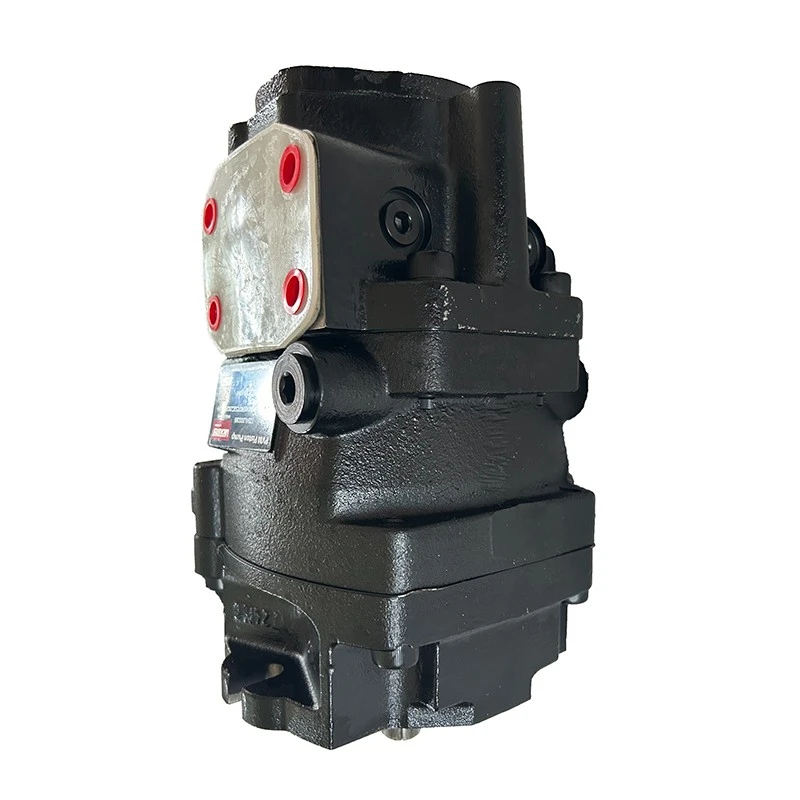
In more aggressive chemical environments, such as a battery manufacturing plant where strong acids are used, specialized coatings or linings can be applied to the pump's internal components. This provides an extra layer of protection against chemical corrosion. The seals and gaskets of the pump are also selected based on the chemical compatibility, ensuring that there are no leaks or failures due to chemical attack.
Vibration and Shock
In industrial applications, pumps are often subject to vibration and shock. The H1P Pump is designed to be robust and can tolerate a certain level of vibration. It is mounted on vibration - damping mounts, which reduce the transmission of vibrations from the pump to the surrounding structure. This not only protects the pump itself but also reduces the noise generated during operation.
In addition, the internal components of the pump are designed to withstand shock. For example, in a construction site where heavy machinery is operating nearby, the H1P Pump can continue to function without being damaged by the sudden shocks and vibrations. The pump's electrical and mechanical components are securely fastened to prevent any loose connections or damage due to shock.
Comparison with Other Pumps
When considering the H1P Pump, it's also useful to compare it with other pumps in the market. For example, the PVH Pump is a well - known piston pump. While the PVH Pump has its own advantages, the H1P Pump offers better performance in terms of temperature and humidity tolerance. The H1P Pump's wider temperature range and higher humidity resistance make it more suitable for a broader range of applications.
The ERR Pump is another option. However, the H1P Pump has better dust and particulate handling capabilities. Its air intake filter and the option for pre - filters give it an edge in dusty environments.
The FRR Pump is also a competitor. But the H1P Pump's chemical resistance options are more diverse, allowing it to be used in a wider variety of chemical environments.
Conclusion
The H1P Pump is a versatile and reliable piece of equipment that can tolerate a wide range of environmental conditions. Its ability to operate in different temperatures, high humidity, dusty environments, chemical - rich settings, and in the presence of vibration and shock makes it a suitable choice for many industries.
If you're in need of a pump that can withstand challenging environmental conditions, the H1P Pump is definitely worth considering. Whether you're in the food processing, chemical, mining, or any other industry, our team of experts can help you select the right configuration of the H1P Pump for your specific needs. We encourage you to reach out to us to start a discussion about your pumping requirements and how the H1P Pump can meet them. Let's work together to find the best solution for your business.
References
- Manufacturer's technical documentation for the H1P Pump
- Industry standards related to pump performance in different environmental conditions
- Case studies of H1P Pump applications in various industries


