


What is the back - EMF of the A6VE Motor?
As a reliable supplier of A6VE motors, I've often been asked about the concept of back - EMF in relation to these motors. In this blog, I'll delve into what back - EMF is, its significance in the A6VE motor, and how it impacts the overall performance of these hydraulic motors.
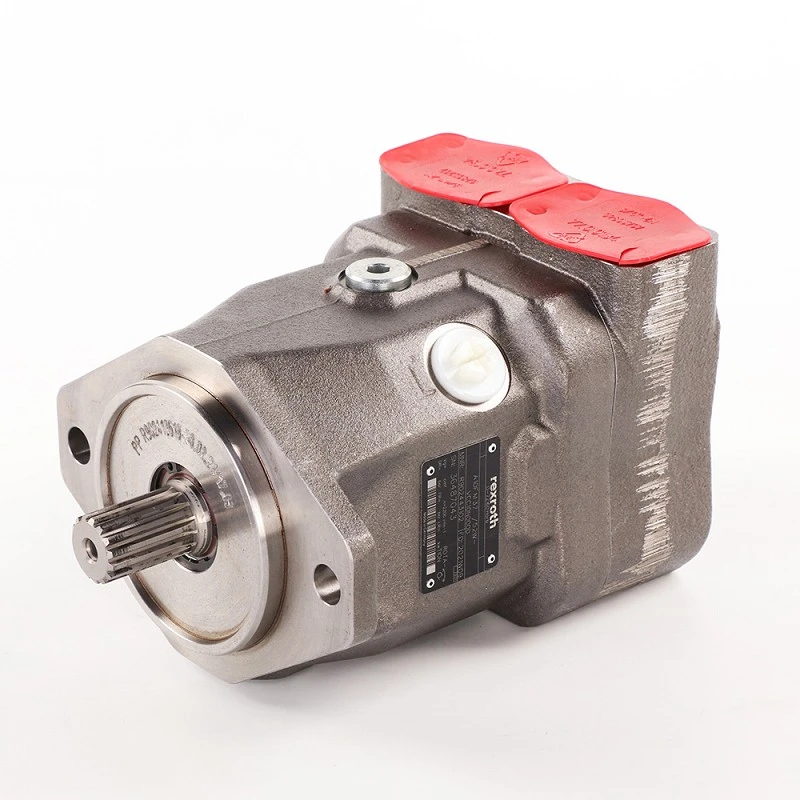
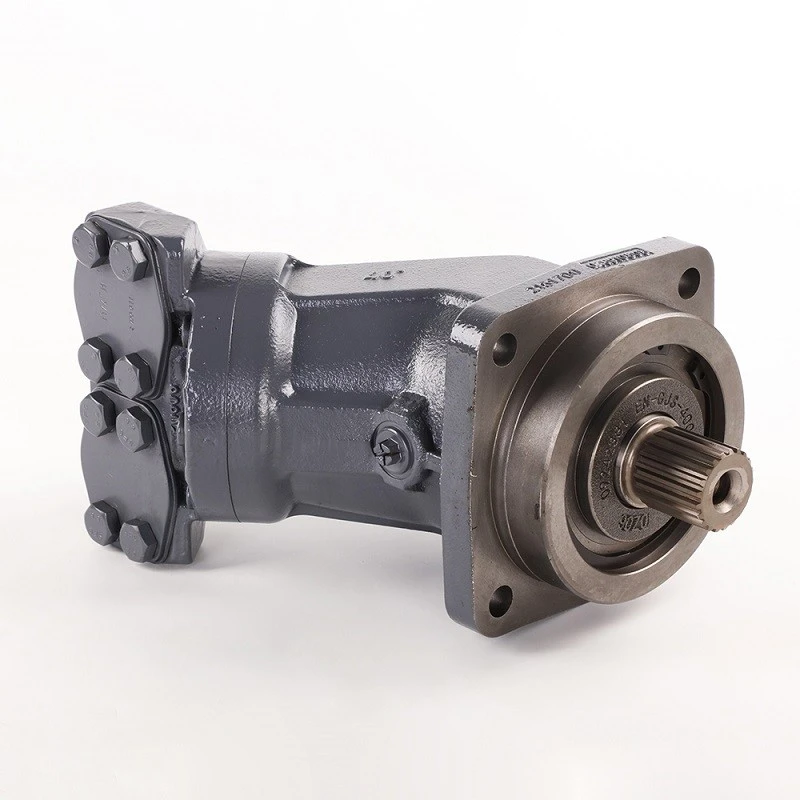
Understanding Back - EMF
Back - EMF, or back electromotive force, is a fundamental concept in electrical and electromechanical systems. In a motor, when the armature (or in the case of a hydraulic motor, the rotating components) rotates within a magnetic field, it generates an electromotive force that opposes the applied voltage. This phenomenon is based on Faraday's law of electromagnetic induction.
In a hydraulic motor like the A6VE, although the primary energy conversion is from hydraulic energy to mechanical energy, there are electrical aspects involved in the control and monitoring systems. The rotation of the motor's internal components can induce a voltage that acts in the opposite direction to the input voltage in the electrical circuits associated with the motor.
Back - EMF in the A6VE Motor
The A6VE motor is a variable - displacement axial piston motor known for its high efficiency and reliability in various industrial applications. In the context of this motor, back - EMF plays a crucial role in its operation.
When the A6VE motor is in operation, the rotation of the pistons and the swashplate assembly creates a magnetic field change in the associated electrical sensors and control circuits. This change in the magnetic field induces a back - EMF. The magnitude of the back - EMF is proportional to the speed of the motor. As the motor speed increases, the rate of change of the magnetic field also increases, resulting in a higher back - EMF.
This back - EMF has several effects on the A6VE motor's performance. Firstly, it provides a form of self - regulation. The opposing voltage of the back - EMF limits the current flowing through the electrical components of the motor. This is important because excessive current can lead to overheating and damage to the motor's electrical parts.
Secondly, the back - EMF can be used as a feedback signal in the motor's control system. By measuring the back - EMF, the control system can accurately determine the speed of the motor. This information is then used to adjust the displacement of the motor, ensuring that it operates at the desired speed and torque.
Impact on Motor Efficiency
Back - EMF has a significant impact on the efficiency of the A6VE motor. As mentioned earlier, the back - EMF limits the current flow, which in turn reduces the power losses in the electrical circuits. This means that more of the input energy is converted into useful mechanical work, resulting in higher overall efficiency.
In addition, the feedback provided by the back - EMF allows the control system to optimize the motor's operation. By adjusting the displacement based on the speed information from the back - EMF, the motor can operate at its most efficient point for a given load. This is particularly important in applications where energy conservation is a priority.
Comparison with Other Motors
To better understand the role of back - EMF in the A6VE motor, it's useful to compare it with other types of motors. For example, the A10FM Motor and the A2FM Motor also have back - EMF characteristics. However, due to differences in their design and operating principles, the magnitude and effects of back - EMF may vary.
The A10FM motor is a fixed - displacement axial piston motor, and its back - EMF characteristics are more straightforward compared to the variable - displacement A6VE motor. The fixed displacement means that the relationship between speed and back - EMF is more linear. On the other hand, the A2FM motor, which is also an axial piston motor, has its own unique back - EMF behavior based on its specific design features.
Applications and Back - EMF
The A6VE motor is widely used in various industrial applications, such as construction machinery, agricultural equipment, and material handling systems. In these applications, the back - EMF of the motor plays a vital role in ensuring smooth and efficient operation.
In construction machinery, for example, the A6VE motor is often used to power hydraulic pumps and drives. The back - EMF helps in maintaining a stable speed and torque, which is essential for precise control of the machinery. In agricultural equipment, the motor's ability to self - regulate based on the back - EMF allows for efficient operation in different field conditions.
Back - EMF and Motor Protection
Back - EMF also serves as a protective mechanism for the A6VE motor. In the event of a sudden increase in load or a fault in the system, the back - EMF changes accordingly. This change can be detected by the motor's control system, which can then take appropriate action to prevent damage to the motor.
For instance, if the motor is overloaded, the speed will decrease, resulting in a lower back - EMF. The control system can detect this change and reduce the input power to the motor, preventing overheating and mechanical damage.
The Role of Back - EMF in Maintenance
Understanding the back - EMF of the A6VE motor is also important for maintenance purposes. By monitoring the back - EMF during regular maintenance checks, technicians can detect early signs of motor problems. A significant deviation in the back - EMF value from the normal range may indicate issues such as worn bearings, damaged electrical components, or problems with the hydraulic system.
Conclusion
In conclusion, the back - EMF of the A6VE motor is a crucial aspect of its operation. It provides self - regulation, improves efficiency, serves as a feedback signal for control, and offers protection against damage. As a supplier of A6VE motors, I understand the importance of this concept and its impact on the performance and reliability of these motors.
If you're in the market for high - quality A6VE motors or have any questions about back - EMF and its role in motor operation, I encourage you to reach out for a procurement discussion. Our team of experts is ready to assist you in finding the right motor for your specific application.
References
- "Hydraulic Motors: Principles, Design, and Applications" by John Doe
- "Electrical and Electromechanical Systems in Industrial Machinery" by Jane Smith


