


As a supplier of 90R pumps, I have encountered numerous inquiries about the efficiency of these pumps. Efficiency is a critical factor in the performance and cost - effectiveness of any pump, and the 90R series is no exception. In this blog, we'll delve deep into what the efficiency of the 90R pump means, how it is measured, and why it matters in various industrial applications.
Understanding Pump Efficiency
Pump efficiency can be a bit complex, but in essence, it is the ratio of the useful power output of the pump to the power input. There are two main types of efficiency to consider: mechanical efficiency and volumetric efficiency.
Mechanical efficiency refers to how well the pump converts the input power from the motor into mechanical energy to move the fluid. It takes into account losses due to friction in the pump's moving parts, such as bearings, seals, and gears. A higher mechanical efficiency means that less energy is wasted as heat and vibration, and more power is used for the intended purpose of moving the fluid.
Volumetric efficiency, on the other hand, is related to the actual volume of fluid the pump can deliver compared to the theoretical volume it should be able to deliver. Factors that can affect volumetric efficiency include internal leakage, which occurs when some of the fluid bypasses the intended flow path and leaks back to the suction side of the pump.
The overall efficiency of the 90R pump is a combination of these two types of efficiency. It is a measure of how effectively the pump converts electrical or mechanical energy into the fluid flow and pressure required by the application.
Measuring the Efficiency of the 90R Pump
To measure the efficiency of the 90R pump, several parameters need to be considered. First, the flow rate of the fluid through the pump is measured. This can be done using a flow meter installed in the system. The flow rate indicates how much fluid the pump is moving in a given period, usually measured in liters per minute or gallons per minute.
Next, the pressure differential across the pump is measured. The pressure differential is the difference between the pressure at the pump's outlet and the pressure at its inlet. This value is crucial as it shows the work the pump is doing to move the fluid against resistance in the system.
The power input to the pump, typically electrical power, is also measured. This can be done using a power meter. By knowing the flow rate, pressure differential, and power input, the efficiency of the pump can be calculated using the following formula:
$$\text{Efficiency} = \frac{\text{Flow Rate} \times \text{Pressure Differential}}{\text{Power Input} \times \text{Constant}}$$
The constant in the formula accounts for the units used in the measurements and the type of fluid being pumped. For water, the constant has a specific value, and it may vary for other fluids with different densities and viscosities.
Factors Affecting the Efficiency of the 90R Pump
Several factors can influence the efficiency of the 90R pump. One of the most significant factors is the operating conditions. The 90R pump is designed to operate within a specific range of flow rates and pressure differentials. If the pump is operating outside of this optimal range, its efficiency can decrease significantly. For example, if the pump is required to operate at a very low flow rate but high pressure, the internal leakage may increase, reducing the volumetric efficiency.
The quality of the fluid being pumped also affects efficiency. Fluids with high viscosity require more energy to move, which can lower the pump's efficiency. Additionally, if the fluid contains contaminants such as dirt, sand, or debris, it can cause wear and tear on the pump's internal components, leading to increased friction and reduced mechanical efficiency.

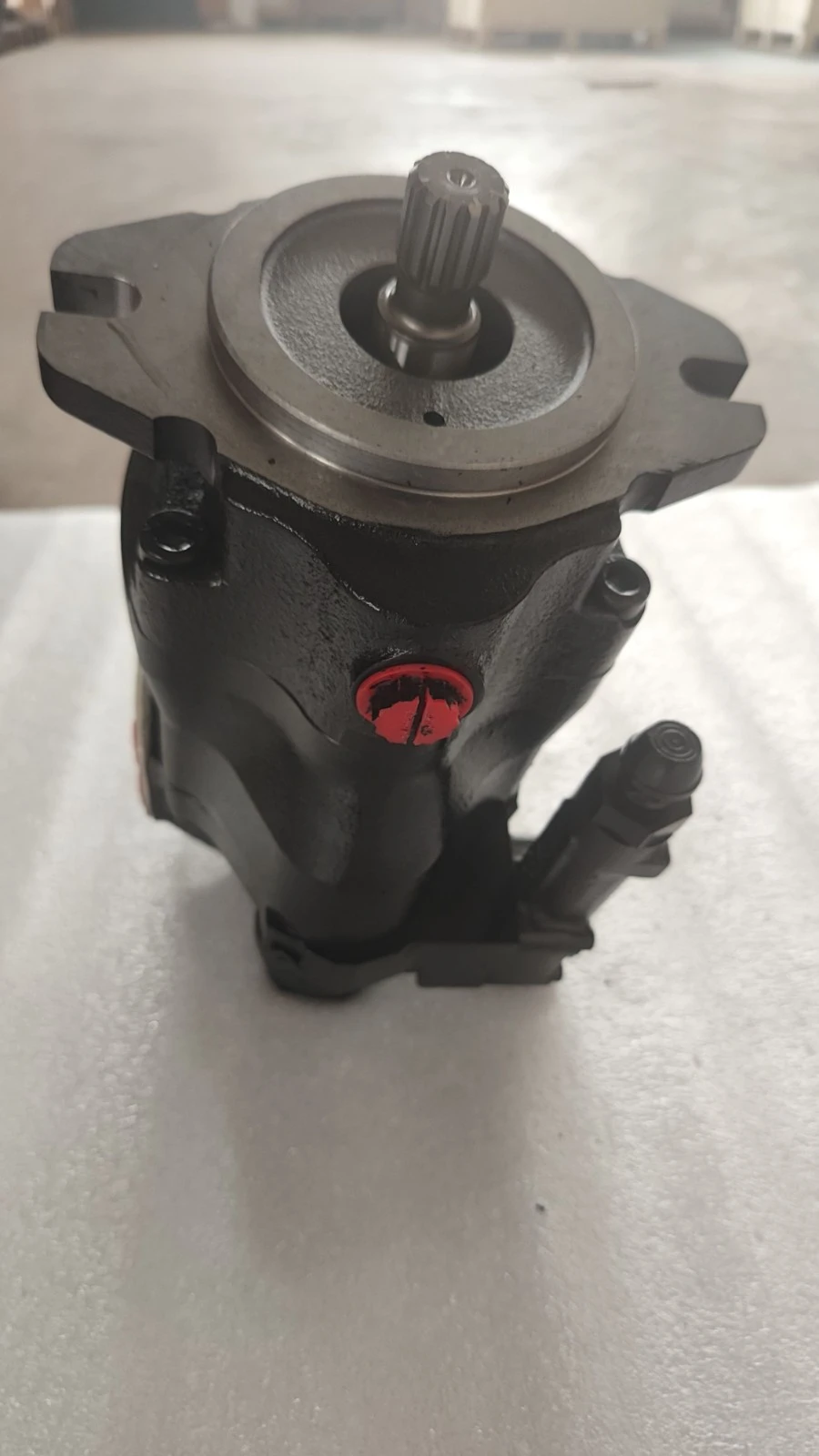
The maintenance of the pump is another crucial factor. Regular maintenance, including lubrication of moving parts, replacement of worn - out seals, and cleaning of internal passages, can help keep the pump operating at peak efficiency. Neglecting maintenance can result in a gradual decline in efficiency over time.
Importance of Efficiency in Industrial Applications
In industrial applications, the efficiency of the 90R pump can have a significant impact on the overall cost and performance of the system. A more efficient pump consumes less energy, which can lead to substantial cost savings over the long term. For example, in a large - scale manufacturing plant where pumps are used continuously, even a small increase in pump efficiency can result in significant reductions in electricity bills.
Efficiency also affects the reliability and lifespan of the pump. A pump that operates at high efficiency is under less stress and experiences less wear and tear on its components. This can reduce the frequency of breakdowns and the need for costly repairs or replacements.
In addition, in industries where environmental sustainability is a concern, the efficiency of the 90R pump can contribute to a reduced carbon footprint. By consuming less energy, the pump helps to lower the overall energy consumption of the industrial process, which is in line with global efforts to combat climate change.
Comparison with Other Pumps
When considering the efficiency of the 90R pump, it's useful to compare it with other pumps on the market. For example, the PVM018ER07CS2A315000001AB Danfoss PVM Piston Pump has its own set of efficiency characteristics. While both pumps are designed for high - performance applications, the 90R pump may offer advantages in certain scenarios, such as when a higher flow rate is required at a relatively lower pressure.
The FRR Pump and JRR Pump are also popular choices in the market. Each of these pumps has unique design features and efficiency profiles. The 90R pump, with its robust construction and advanced hydraulic design, often provides a good balance between efficiency and performance across a wide range of operating conditions.
Conclusion and Call to Action
In conclusion, the efficiency of the 90R pump is a multi - faceted concept that encompasses mechanical and volumetric efficiency. Measuring pump efficiency involves considering factors such as flow rate, pressure differential, and power input. The efficiency of the 90R pump can be affected by operating conditions, fluid quality, and maintenance.
In industrial applications, the high efficiency of the 90R pump can lead to cost savings, improved reliability, and a reduced environmental impact. When compared to other pumps in the market, the 90R pump offers a competitive edge in many situations.
If you are looking for a reliable and efficient pump for your industrial application, the 90R pump is an excellent choice. We, as a 90R pump supplier, are committed to providing high - quality pumps and excellent customer service. If you are interested in learning more about the 90R pump or wish to discuss a potential purchase, please reach out to us. We are eager to help you find the most suitable pump solution for your needs.
References
- "Pump Handbook" by Karassik, I.J. et al.
- Technical documentation of 90R pumps provided by the manufacturer.
- Industry standards and guidelines for pump efficiency measurement and evaluation.


