


What is the noise level of the A2FO Pump during operation?
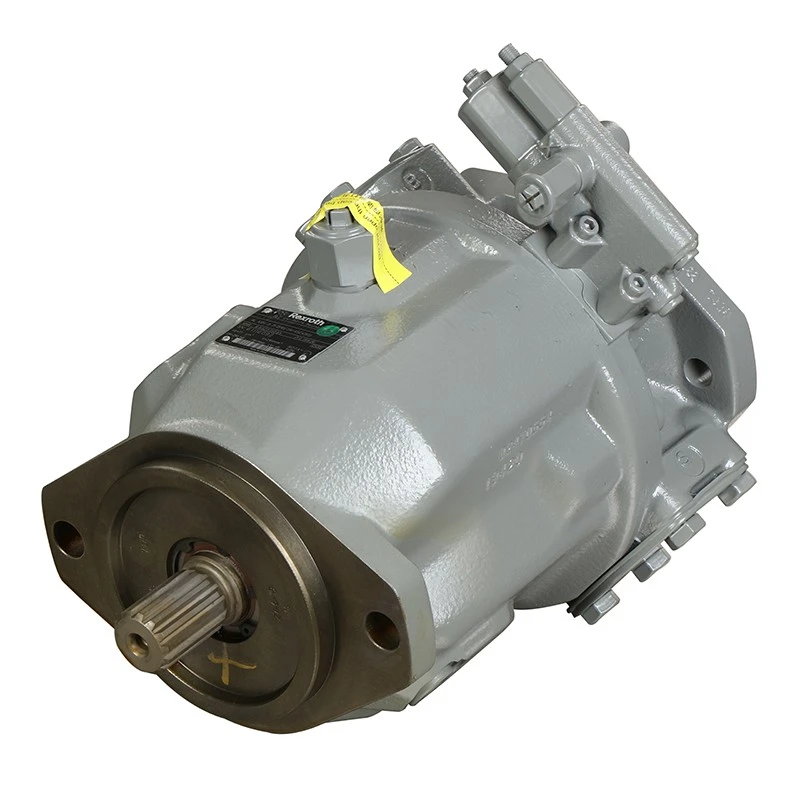
As a supplier of A2FO pumps, I've received numerous inquiries regarding the noise level of these pumps during operation. Understanding the noise level of hydraulic pumps is crucial, not only for the comfort of operators but also for compliance with noise regulations in various industries. In this blog, I'll delve into the factors that affect the noise level of the A2FO pump, the typical noise levels you can expect, and how to manage and reduce noise if necessary.
Factors Affecting the Noise Level of A2FO Pumps
The noise level of an A2FO pump is influenced by several factors, each of which plays a significant role in determining the overall acoustic output.
1. Operating Pressure
The operating pressure of the A2FO pump has a direct impact on the noise level. As the pressure increases, the internal forces within the pump also increase, leading to more vibrations and ultimately, higher noise levels. When the pump is operating at high pressures, the fluid flow through the pump's internal components can become more turbulent, causing additional noise. For example, if the pump is set to operate at its maximum rated pressure for an extended period, the noise level is likely to be significantly higher than when it is operating at a lower, more optimal pressure.
2. Rotational Speed
The rotational speed of the pump shaft is another critical factor. A higher rotational speed means that the pump's internal components, such as the pistons and cylinders, are moving more rapidly. This increased motion generates more vibrations and noise. Generally, as the speed of the A2FO pump increases, the noise level rises exponentially. It's important to note that running the pump at a speed that is too high can not only increase noise but also lead to premature wear and tear on the pump components.
3. Fluid Viscosity
The viscosity of the hydraulic fluid used in the A2FO pump can also affect the noise level. If the fluid is too viscous, it can cause increased resistance to flow within the pump, leading to higher pressures and more noise. On the other hand, if the fluid is too thin, it may not provide adequate lubrication, which can also result in increased friction and noise. Therefore, using the recommended hydraulic fluid with the appropriate viscosity is essential for minimizing noise.
4. Installation and Mounting
The way the A2FO pump is installed and mounted can have a significant impact on the noise level. If the pump is not properly aligned or mounted on a stable surface, it can cause excessive vibrations, which are transmitted as noise. Additionally, the use of flexible couplings and vibration isolators can help reduce the transmission of vibrations from the pump to the surrounding structure, thereby lowering the overall noise level.
Typical Noise Levels of A2FO Pumps
The noise level of an A2FO pump can vary depending on the specific model, operating conditions, and the factors mentioned above. However, in general, A2FO pumps are designed to operate with relatively low noise levels. Under normal operating conditions, with the pump operating at a moderate pressure and speed, the noise level can range from 60 to 80 decibels (dB).
To put this into perspective, a noise level of 60 dB is comparable to the sound of normal conversation, while 80 dB is similar to the noise level of a busy street. It's important to note that these are approximate values, and the actual noise level may vary depending on the specific circumstances.
Managing and Reducing Noise
If the noise level of the A2FO pump is a concern, there are several steps that can be taken to manage and reduce it.
1. Optimize Operating Conditions
As mentioned earlier, operating the pump at the appropriate pressure and speed can significantly reduce the noise level. By ensuring that the pump is not overloaded and is operating within its recommended parameters, you can minimize the internal forces and vibrations that contribute to noise.
2. Use High - Quality Hydraulic Fluid
Using the right hydraulic fluid with the correct viscosity is crucial. High - quality fluids not only provide better lubrication but also help to maintain a stable flow within the pump, reducing noise. Regularly checking and changing the hydraulic fluid according to the manufacturer's recommendations can also help keep the pump operating smoothly and quietly.
3. Improve Installation and Mounting
Proper installation and mounting of the A2FO pump are essential for noise reduction. Ensure that the pump is correctly aligned and mounted on a stable base. Using vibration isolators and flexible couplings can help absorb and dampen vibrations, preventing them from being transmitted to the surrounding environment.
4. Enclosure and Soundproofing
In some cases, it may be necessary to use an enclosure or soundproofing materials to further reduce the noise level. Enclosing the pump in a sound - insulated cabinet can significantly reduce the amount of noise that escapes into the surrounding area. Soundproofing materials, such as acoustic foam or fiberglass insulation, can also be used to line the inside of the enclosure, enhancing its noise - reducing capabilities.

Comparison with Other Pumps
When considering the noise level of the A2FO pump, it's interesting to compare it with other types of hydraulic pumps. For example, the A8VO107LA1KS/63R1 - NZG05F074 Hydraulic Pump of Rexroth for Rotary Drilling Engineering Machinery and the A10VSO Pump have their own noise characteristics.
The A8VO107 pump, designed for heavy - duty rotary drilling applications, may have a higher noise level due to its higher power requirements and the nature of its operation. The A10VSO pump, on the other hand, is known for its relatively low noise operation, especially when operating at lower pressures and speeds. Another example is the A10VSO45DFR1/32R - VPB12N00 Hydraulic Pump of Rexroth for Walking Machinery in Stock, which also has specific noise levels based on its design and intended use.
Contact for Purchase and Consultation
If you're interested in purchasing an A2FO pump or have any questions regarding its noise level or other technical specifications, I encourage you to contact us. Our team of experts is ready to provide you with detailed information and help you make the right choice for your specific application. Whether you need a pump for industrial machinery, construction equipment, or any other hydraulic system, we can offer the best solutions to meet your needs.
References
- Hydraulic Pump Handbook, [Publisher Name], [Year of Publication]
- Technical Documentation of A2FO Pumps, [Manufacturer Name]


