


Hey there! As a supplier of FRR Pumps, I often get asked about the flow rate of these pumps. So, I thought I'd sit down and write this blog to clear up any confusion and give you a better understanding of what the flow rate of an FRR Pump is all about.
First things first, let's talk about what flow rate actually means. In simple terms, the flow rate of a pump is the volume of fluid that the pump can move in a given amount of time. It's usually measured in units like gallons per minute (GPM) or liters per minute (LPM). This is a super important factor because it determines how quickly a pump can get the job done. Whether you're using the pump for industrial applications, water supply, or any other purpose, the flow rate will tell you if the pump can meet your needs.
Now, the flow rate of an FRR Pump can vary quite a bit depending on a few different factors. One of the main things that affects the flow rate is the size of the pump. Generally speaking, larger pumps have a higher flow rate because they have bigger components that can move more fluid at once. For example, if you have a small FRR Pump that's designed for a home water system, it might have a flow rate of around 5 - 10 GPM. On the other hand, an industrial - sized FRR Pump could have a flow rate of hundreds or even thousands of GPM.
Another factor that plays a role in the flow rate is the pump's design and technology. FRR Pumps are known for their advanced engineering, which allows them to be more efficient in moving fluid. The internal components, like the impellers and the volute, are designed to optimize the flow of the fluid. Some FRR Pumps are also equipped with variable speed drives. These drives can adjust the speed of the pump motor, which in turn can change the flow rate. So, if you need a specific flow rate for a particular task, you can use the variable speed drive to set the pump to the right speed.
The pressure requirements of the system also impact the flow rate. If you're pumping fluid against a high pressure, the pump has to work harder, and this can reduce the flow rate. Think of it like trying to push water through a narrow pipe with a lot of resistance. The pump has to use more energy to overcome that resistance, and as a result, the amount of water it can move per minute goes down.
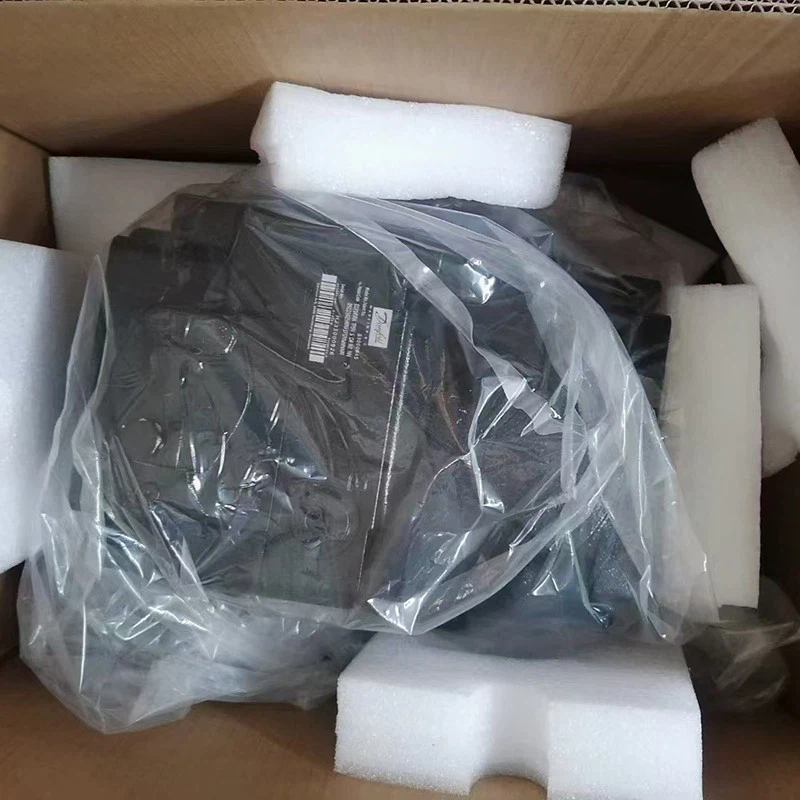

Let's take a look at some real - world examples to better understand the flow rate of FRR Pumps. Suppose you're using an FRR Pump for an irrigation system. You need to make sure that the pump can deliver enough water to cover your fields. If you have a small garden, a pump with a flow rate of 15 - 20 GPM might be sufficient. But if you're dealing with a large agricultural farm, you'll probably need a pump with a much higher flow rate, maybe 50 - 100 GPM or more.
In the industrial sector, FRR Pumps are used in all sorts of applications. For example, in a chemical processing plant, the pump might be used to transfer chemicals from one tank to another. The flow rate needs to be carefully controlled to ensure that the right amount of chemicals is being transferred at the right time. In this case, an FRR Pump with a variable flow rate would be ideal, as it can be adjusted according to the specific requirements of the process.
Now, if you're in the market for a pump and you're considering an FRR Pump, it's important to do your research. You can compare the flow rates of different models to find the one that best suits your needs. And don't forget to consider other factors like the pump's efficiency, reliability, and maintenance requirements.
If you're also interested in other types of pumps, you might want to check out the JRR Pump. It's another great option with its own unique features and flow rate capabilities. The PVM141ER13GS2A Danfoss PVM Piston Pump VICKERS By Danfoss is also a high - quality pump that's worth looking into. And for those of you who might need a different type of pump, the D1P Pump could be a good choice.
As a supplier, I'm here to help you make the right decision. If you have any questions about the flow rate of FRR Pumps or any other aspect of pump selection, feel free to reach out. Whether you're a small - scale user or a large industrial company, I can provide you with the information you need to choose the perfect pump for your application. And if you're ready to make a purchase, I can assist you with the procurement process and ensure that you get a high - quality product at a competitive price.
So, if you're thinking about getting an FRR Pump or any other pump, don't hesitate to contact me for more details. Let's have a chat and figure out the best solution for your pumping needs.
References:
- Pump Handbook, Third Edition by Igor J. Karassik, Joseph P. Messina, Paul Cooper, Charles C. Heald
- Fluid Mechanics and Hydraulic Machines by R. K. Bansal


