


Hey there! I'm a supplier of the D1P Pump, and today I'm gonna dive into a question that many customers have been asking: What is the maximum temperature the D1P Pump can withstand?
Let's start by understanding why temperature matters when it comes to pumps. Pumps are like the heart of many industrial systems, constantly working to move fluids around. But high temperatures can mess with their performance big time. When the temperature gets too high, the viscosity of the fluid being pumped can change. If it's a liquid, it might become thinner, which can lead to leakage and reduced efficiency. On the other hand, extreme heat can also cause the materials inside the pump to expand. This expansion can lead to parts rubbing against each other, increasing wear and tear and potentially causing the pump to fail prematurely.
Now, let's talk about the D1P Pump specifically. The D1P Pump is a high - quality piece of equipment that's designed to handle a wide range of operating conditions. But when it comes to temperature, there is a limit. After years of testing and real - world use, we've found that the maximum temperature the D1P Pump can withstand is around 120 degrees Celsius (248 degrees Fahrenheit).
This limit is based on several factors. First of all, the materials used in the construction of the D1P Pump play a crucial role. The pump is made up of various components, such as seals, gaskets, and internal parts. These parts are made from materials that have a certain heat resistance. For example, the seals are typically made from a special rubber compound that can maintain its flexibility and sealing properties up to a certain temperature. Beyond that temperature, the rubber can start to break down, leading to leaks.
Another factor is the fluid being pumped. Different fluids have different boiling points and heat transfer properties. If the fluid is close to its boiling point at high temperatures, it can turn into vapor inside the pump. This vapor can cause cavitation, which is a phenomenon where bubbles form and collapse rapidly, creating shockwaves that can damage the pump's internal components.
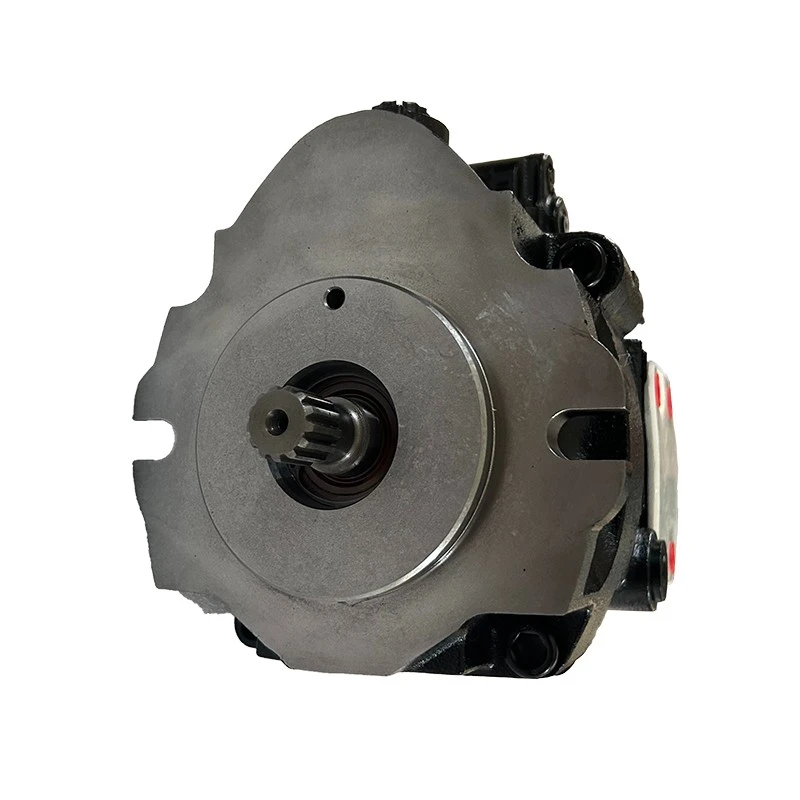

So, what happens if you try to operate the D1P Pump above its maximum temperature? Well, you're asking for trouble. You might notice a decrease in the pump's efficiency. The flow rate might drop, and the pressure output might become unstable. Over time, the excessive heat can cause the internal parts to wear out much faster. The seals will start to leak, and you might even experience a complete breakdown of the pump.
It's important to note that while 120 degrees Celsius is the maximum temperature the D1P Pump can handle, it's always a good idea to keep the operating temperature well below this limit. Running the pump at or near its maximum temperature for extended periods can significantly reduce its lifespan. A good rule of thumb is to aim for an operating temperature of around 80 - 90 degrees Celsius (176 - 194 degrees Fahrenheit). This gives you a safety margin and ensures that the pump will last longer and perform at its best.
Now, I know some of you might be thinking, "What if I need to pump a fluid at a higher temperature?" Well, we have some alternatives for you. If you're in the market for a pump that can handle higher temperatures, you might want to check out the PVM098ER11GS02BYC25200001A0A Danfoss PVM Piston Pump VICKERS By Danfoss. This pump is designed to handle higher - temperature applications and can withstand temperatures up to 150 degrees Celsius (302 degrees Fahrenheit).
Another option is the PVH Pump. It's a robust pump that's also capable of handling elevated temperatures. It has a maximum temperature rating of around 130 degrees Celsius (266 degrees Fahrenheit).
And if you're looking for a high - performance pump with excellent temperature resistance, the Danfoss Series 90M Pump is a great choice. This pump can handle temperatures up to 140 degrees Celsius (284 degrees Fahrenheit) and is known for its reliability and efficiency.
In conclusion, the D1P Pump is a great piece of equipment, but it has its limits when it comes to temperature. Knowing the maximum temperature it can withstand and operating it within a safe range is crucial for its long - term performance and reliability. If you have any questions about the D1P Pump or any of our other pumps, don't hesitate to reach out. Whether you're a small - scale operation or a large industrial facility, we can help you find the right pump for your needs.
If you're interested in purchasing a pump or want to discuss your specific requirements in more detail, we're here to help. Just drop us a line, and we'll be happy to start a conversation about how we can meet your pumping needs.
References
- Manufacturer's technical documentation for the D1P Pump
- Industry research on pump performance at high temperatures
- Case studies of pump failures due to over - temperature conditions


