


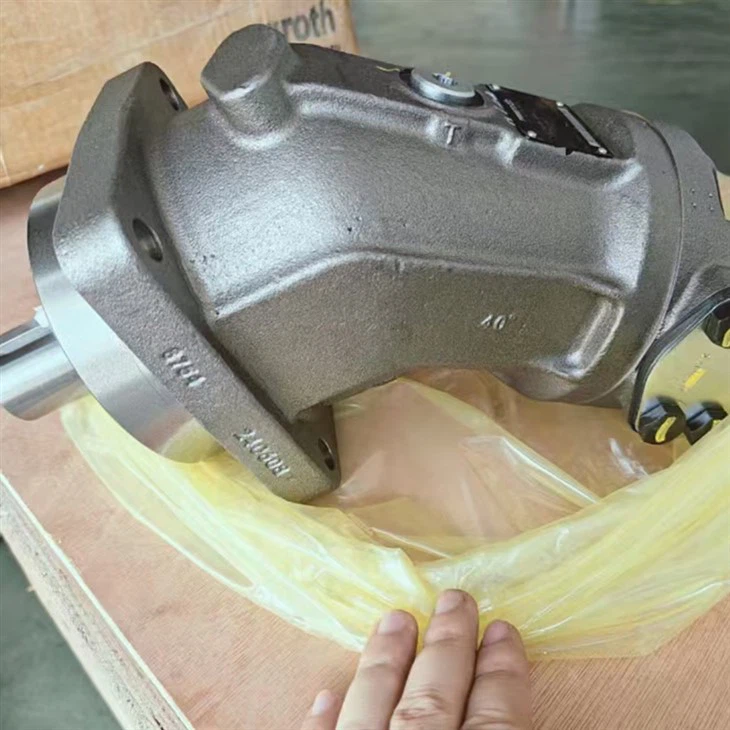
As a trusted supplier of A2FO pumps, I often receive inquiries from customers about the mechanical efficiency of these pumps. Mechanical efficiency is a crucial parameter that reflects how effectively a pump can convert mechanical input power into hydraulic output power. In this blog, I will delve into the concept of mechanical efficiency, factors affecting the mechanical efficiency of A2FO pumps, and how to optimize it.
Understanding Mechanical Efficiency
Mechanical efficiency (ηm) is defined as the ratio of the hydraulic power output (Ph) to the mechanical power input (Pm) of a pump. Mathematically, it can be expressed as:
ηm = Ph / Pm
The hydraulic power output is calculated by the formula:
Ph = p × Q
where p is the pressure difference across the pump and Q is the volumetric flow rate. The mechanical power input is the power supplied to the pump shaft, usually provided by an electric motor or an internal combustion engine.
A higher mechanical efficiency means that less mechanical power is wasted as heat or other forms of losses, and more power is effectively used to generate hydraulic power. For A2FO pumps, which are axial piston pumps known for their high - pressure and high - efficiency performance, achieving a high mechanical efficiency is of great importance in various applications.
Factors Affecting the Mechanical Efficiency of A2FO Pumps
1. Friction Losses
Friction occurs between moving parts within the pump, such as the pistons and the cylinder block, the swash plate and the pistons, and the bearings. These frictional forces resist the motion of the parts, consuming a portion of the mechanical input power. The surface finish of the components, the quality of lubrication, and the operating speed all influence friction losses. For example, a rough surface finish will increase friction, while proper lubrication can significantly reduce it.
2. Leakage
Internal leakage is another major factor affecting mechanical efficiency. In an A2FO pump, there are clearances between the pistons and the cylinder bores, and between the valve plate and the cylinder block. Under high - pressure conditions, some of the pressurized fluid will leak through these clearances, resulting in a loss of volumetric efficiency and indirectly affecting mechanical efficiency. The design of the pump, the manufacturing accuracy, and the wear of the components over time can all impact the amount of leakage.
3. Viscosity of the Hydraulic Fluid
The viscosity of the hydraulic fluid plays a vital role in the pump's mechanical efficiency. If the fluid viscosity is too high, it will increase the frictional resistance within the pump, requiring more mechanical power to drive the fluid. On the other hand, if the viscosity is too low, the leakage will increase, reducing the volumetric and mechanical efficiency. Therefore, it is essential to select the appropriate hydraulic fluid with the right viscosity for the operating conditions of the A2FO pump.
4. Operating Conditions
The operating pressure and speed also affect the mechanical efficiency of the A2FO pump. At high operating pressures, the leakage and friction losses tend to increase, reducing the efficiency. Similarly, extremely high or low operating speeds can also have a negative impact. For instance, at very high speeds, the inertial forces on the moving parts can cause additional frictional losses and increase the risk of cavitation, which can damage the pump and reduce its efficiency.

Measuring and Improving the Mechanical Efficiency of A2FO Pumps
Measuring Mechanical Efficiency
To measure the mechanical efficiency of an A2FO pump, one needs to measure the hydraulic power output and the mechanical power input. The hydraulic power output can be determined by measuring the pressure and flow rate at the pump outlet. The mechanical power input can be measured using a torque meter and a speed sensor to calculate the power supplied to the pump shaft. By dividing the hydraulic power output by the mechanical power input, the mechanical efficiency can be obtained.
Improving Mechanical Efficiency
- Proper Maintenance: Regular maintenance is crucial for maintaining high mechanical efficiency. This includes changing the hydraulic fluid at recommended intervals to ensure proper lubrication and prevent the accumulation of contaminants that can cause wear and increase friction. Inspecting and replacing worn - out components, such as seals and bearings, can also reduce leakage and friction losses.
- Optimized Design and Manufacturing: The design of the A2FO pump should minimize friction and leakage. Advanced manufacturing techniques can ensure high - precision components with smooth surface finishes, reducing frictional forces. For example, using high - quality materials and advanced machining processes can improve the performance and efficiency of the pump.
- Selection of Appropriate Hydraulic Fluid: Choosing the right hydraulic fluid with the correct viscosity for the operating temperature and pressure conditions is essential. The fluid should also have good anti - wear and anti - oxidation properties to protect the pump components.
Applications and the Importance of Mechanical Efficiency
A2FO pumps are widely used in various industrial and mobile applications, such as construction machinery, agricultural equipment, and machine tools. In these applications, high mechanical efficiency is crucial for several reasons:
- Energy Savings: A pump with high mechanical efficiency consumes less energy to achieve the same hydraulic power output. This can lead to significant cost savings, especially in applications where the pump operates continuously for long periods.
- Reduced Heat Generation: Lower mechanical losses mean less heat is generated within the pump. Excessive heat can damage the hydraulic fluid and the pump components, reducing their service life. By improving mechanical efficiency, the operating temperature of the pump can be kept within a safe range.
- Enhanced System Performance: A more efficient pump can provide more stable and reliable hydraulic power, improving the overall performance of the hydraulic system. This is particularly important in applications where precise control and high - power output are required.
Related Products
If you are interested in other hydraulic pumps, we also offer a wide range of high - quality products. For example, the A10VO45ED72 - 32R - VUC12N00P Hydraulic Piston Pump for Rexroth Concrete Pump Truck is designed for heavy - duty concrete pump trucks, providing reliable and efficient hydraulic power. Another product is the A17FO063/10NLWK0E81 - 0 Hydraulic Pump of Rexroth for Commercial Vehicles in Stock, which is suitable for various commercial vehicle applications. And the A2FO56/61R - PBB05 Hydraulic Pump of Rexroth for Walking Machinery in Stock is ideal for walking machinery, offering high - performance and efficient operation.
Conclusion
The mechanical efficiency of A2FO pumps is a critical factor that affects their performance, energy consumption, and service life. By understanding the factors that influence mechanical efficiency and taking appropriate measures to improve it, we can ensure that the pumps operate at their best. As a supplier of A2FO pumps, we are committed to providing high - quality products and professional technical support to help our customers achieve optimal performance in their applications.
If you are interested in our A2FO pumps or other hydraulic products, please feel free to contact us for more information and to discuss your specific requirements. We look forward to establishing a long - term partnership with you.
References
- "Hydraulic Pumps and Motors" by Tomislav Karabegović
- "Fluid Power Engineering" by Heinz P. Bloch


