


As a supplier of A4VTG pumps, I often receive inquiries about various technical aspects of these pumps. One of the frequently asked questions is, "What is the radial force of the A4VTG Pump?" In this blog post, I will delve into the concept of radial force in the context of the A4VTG pump, explaining its significance, factors affecting it, and how it impacts the pump's performance.
Understanding Radial Force
Radial force, in the realm of hydraulic pumps like the A4VTG, refers to the force acting perpendicular to the axis of rotation of the pump's shaft. This force is generated due to several factors within the pump's operation. In a hydraulic piston pump such as the A4VTG, the movement of the pistons within the cylinder block creates pressure differentials. These pressure differentials result in forces being exerted on the pistons and, consequently, on the shaft and other components of the pump.
The radial force can have a significant impact on the pump's mechanical components. It can cause wear and tear on the bearings, shaft, and other parts that support the rotating elements of the pump. Excessive radial force can lead to premature failure of these components, reducing the pump's lifespan and increasing maintenance costs. Therefore, understanding and managing radial force is crucial for ensuring the reliable and efficient operation of the A4VTG pump.

Factors Affecting Radial Force in the A4VTG Pump
Pressure Differential
One of the primary factors influencing radial force is the pressure differential across the pump. The A4VTG pump operates by creating a pressure difference between the inlet and outlet ports. As the pistons move within the cylinder block, they generate high-pressure zones on one side and low-pressure zones on the other. This pressure difference creates a force that acts radially on the pump's shaft. Higher pressure differentials result in greater radial forces. For example, when the pump is operating at a high load or in a high-pressure application, the pressure differential increases, leading to an increase in radial force.
Piston Arrangement
The arrangement of the pistons in the cylinder block also affects the radial force. The A4VTG pump typically has a specific number of pistons arranged in a circular pattern. The interaction between the pistons as they move in and out of the cylinder block can cause variations in the radial force. For instance, if the pistons are not perfectly balanced or if there is uneven wear on the pistons, it can lead to an imbalance in the radial forces, increasing the stress on the pump's components.
Shaft Alignment
Proper shaft alignment is essential for minimizing radial force. If the pump's shaft is not aligned correctly with the motor or other connected components, it can cause additional radial forces. Misalignment can occur during installation or due to external factors such as vibration or mechanical shock. Even a small amount of misalignment can result in increased radial force, which can lead to premature wear and failure of the pump's bearings and other components.
Impact of Radial Force on Pump Performance
Bearing Wear
The radial force has a direct impact on the pump's bearings. Bearings are designed to support the rotating shaft and reduce friction. However, excessive radial force can cause the bearings to experience higher loads than they are designed to handle. This can lead to increased wear on the bearing surfaces, reducing their lifespan. As the bearings wear, the clearance between the bearing and the shaft increases, which can further exacerbate the radial force problem. Eventually, the bearings may fail, causing the pump to stop working.
Shaft Fatigue
The radial force can also cause fatigue in the pump's shaft. Fatigue occurs when the shaft is subjected to repeated loading and unloading cycles. The radial force creates stress points on the shaft, and over time, these stress points can lead to the formation of cracks. As the cracks grow, the shaft's strength decreases, and it may eventually break. Shaft fatigue can be a significant problem in pumps that operate continuously or in applications with high cyclic loads.
Leakage
Excessive radial force can also lead to leakage in the pump. The radial force can cause the pump's seals to deform or become damaged. Seals are used to prevent hydraulic fluid from leaking out of the pump. When the seals are damaged due to high radial forces, it can result in fluid leakage, reducing the pump's efficiency and potentially causing environmental hazards.
Managing Radial Force in the A4VTG Pump
Proper Installation
Proper installation is the first step in managing radial force. During installation, it is crucial to ensure that the pump is installed correctly and that the shaft is aligned properly. This includes using alignment tools to ensure that the pump's shaft is in line with the motor and other connected components. Additionally, the pump should be mounted on a stable base to minimize vibration and external forces that can cause misalignment.
Regular Maintenance
Regular maintenance is essential for monitoring and managing radial force. This includes inspecting the pump's bearings, pistons, and seals for wear and damage. Bearing lubrication should be checked and maintained according to the manufacturer's recommendations. If any signs of wear or damage are detected, the affected components should be replaced promptly to prevent further damage to the pump.
Load Management
Managing the load on the pump can also help reduce radial force. Avoiding overloading the pump and operating it within its recommended pressure and flow ranges can minimize the pressure differential and, consequently, the radial force. In high-pressure applications, it may be necessary to use additional pressure relief valves or other control devices to ensure that the pump operates within safe limits.
Related Hydraulic Piston Pumps
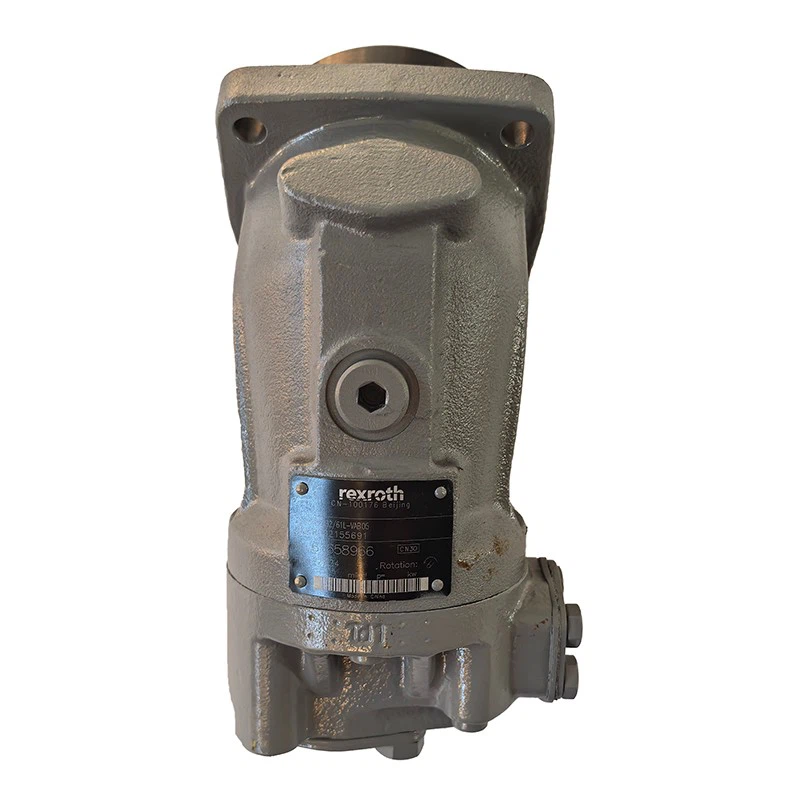
If you are interested in other hydraulic piston pumps, we also offer a range of products. For example, the A2FO32 61L-VAB05 Hydraulic Piston Pump for Rexroth Pump Truck is a reliable option for pump truck applications. It is designed to provide high performance and durability. Another product is the ALA10VO45DFR/31L-VUC62N00 Hydraulic Piston Pump For Rexroth Excavators, Loaders, Injection Molding Machines, Marine Machinery, which is suitable for a variety of heavy-duty applications. We also have the A2FO56/61R-PBB05 Hydraulic Pump of Rexroth for Walking Machinery in Stock, which is available for immediate delivery.
Conclusion
In conclusion, understanding the radial force of the A4VTG pump is essential for ensuring its reliable and efficient operation. Radial force is influenced by factors such as pressure differential, piston arrangement, and shaft alignment. It can have a significant impact on the pump's performance, causing bearing wear, shaft fatigue, and leakage. By managing radial force through proper installation, regular maintenance, and load management, you can extend the lifespan of the pump and reduce maintenance costs.
If you have any questions about the A4VTG pump or our other hydraulic piston pump products, or if you are interested in purchasing our pumps, please feel free to contact us for a detailed discussion and to start the procurement process. We are committed to providing high-quality products and excellent customer service.
References
- Rexroth Hydraulic Pump Technical Manuals
- Hydraulic Pump Design and Application Guides


