


The A4VTG pump is a high - performance hydraulic pump widely used in various industrial applications. As a supplier of the A4VTG pump, I often receive inquiries from customers about its response time. In this blog, I will delve into the concept of the response time of the A4VTG pump, factors affecting it, and its significance in practical applications.
Understanding the Response Time of the A4VTG Pump
The response time of the A4VTG pump refers to the time it takes for the pump to adjust its output parameters, such as flow rate and pressure, in response to a change in the control signal. In a hydraulic system, the control signal can come from various sources, like a pressure - sensing device, a flow - regulating valve, or an electronic control unit. When the control signal changes, the pump needs to adapt quickly to meet the new operating requirements of the system.
For example, in a construction machinery hydraulic system, when the operator commands the boom to lift faster, the control system sends a signal to the A4VTG pump to increase the flow rate. The time from the moment the signal is sent until the pump actually reaches the desired flow rate is the response time. A shorter response time means that the pump can more quickly and accurately follow the control commands, resulting in better system performance and more precise operation.
Factors Affecting the Response Time of the A4VTG Pump
1. Hydraulic Circuit Design
The design of the hydraulic circuit has a significant impact on the pump's response time. A complex hydraulic circuit with long pipelines, multiple valves, and high - resistance components can cause delays in the transmission of the control signal and the flow of hydraulic fluid. For instance, if the pipeline between the control valve and the pump is too long, the pressure wave generated by the control signal will take more time to reach the pump, thus increasing the response time.
2. Pump Internal Structure
The internal structure of the A4VTG pump also plays a crucial role. Components such as the swash plate, control pistons, and servo valves need to work in harmony to adjust the pump's output. Any mechanical friction, wear, or improper adjustment of these components can slow down the adjustment process. For example, if the swash plate has excessive friction, it will take more time to change its angle, which in turn affects the flow rate adjustment and increases the response time.
3. Viscosity of Hydraulic Fluid
The viscosity of the hydraulic fluid is another important factor. High - viscosity hydraulic fluid has greater resistance to flow, which can impede the movement of internal components and slow down the response of the pump. In cold environments, the viscosity of the hydraulic fluid increases, and the pump's response time may be significantly prolonged. Therefore, it is necessary to choose the appropriate hydraulic fluid according to the operating temperature range.
4. Control System Characteristics
The characteristics of the control system, including the signal transmission speed, control algorithm, and the accuracy of the control signal, also affect the response time. A high - speed and accurate control system can send clear and timely signals to the pump, enabling it to respond more quickly. For example, an advanced electronic control system with a high - frequency sampling rate can detect changes in the system requirements more promptly and send corresponding control signals to the pump.
Significance of Response Time in Practical Applications
1. Construction Machinery
In construction machinery, such as excavators and loaders, a short response time of the A4VTG pump is essential for efficient operation. When performing complex digging and loading operations, the operator needs to precisely control the movement of the working devices. A pump with a fast response time can quickly adjust the flow and pressure according to the operator's commands, improving the working efficiency and reducing the operating time.
2. Industrial Manufacturing
In industrial manufacturing, hydraulic systems are widely used in machine tools, presses, and other equipment. The response time of the A4VTG pump affects the precision and quality of the manufacturing process. For example, in a precision machining center, a pump with a short response time can ensure that the hydraulic actuator moves accurately and quickly, resulting in high - precision machining of workpieces.
3. Marine and Offshore Applications
In marine and offshore applications, hydraulic systems are used for various purposes, such as ship steering, crane operation, and platform leveling. The response time of the A4VTG pump is crucial for ensuring the safety and stability of these operations. In a ship steering system, a fast - responding pump can quickly adjust the steering angle according to the navigation commands, enabling the ship to navigate safely in different sea conditions.
Comparison with Other Pumps
When comparing the A4VTG pump with other pumps in the market, such as the A11VLO Pump and the A8VO Pump, the response time is one of the key performance indicators. The A4VTG pump generally has a relatively short response time due to its advanced design and high - quality internal components.
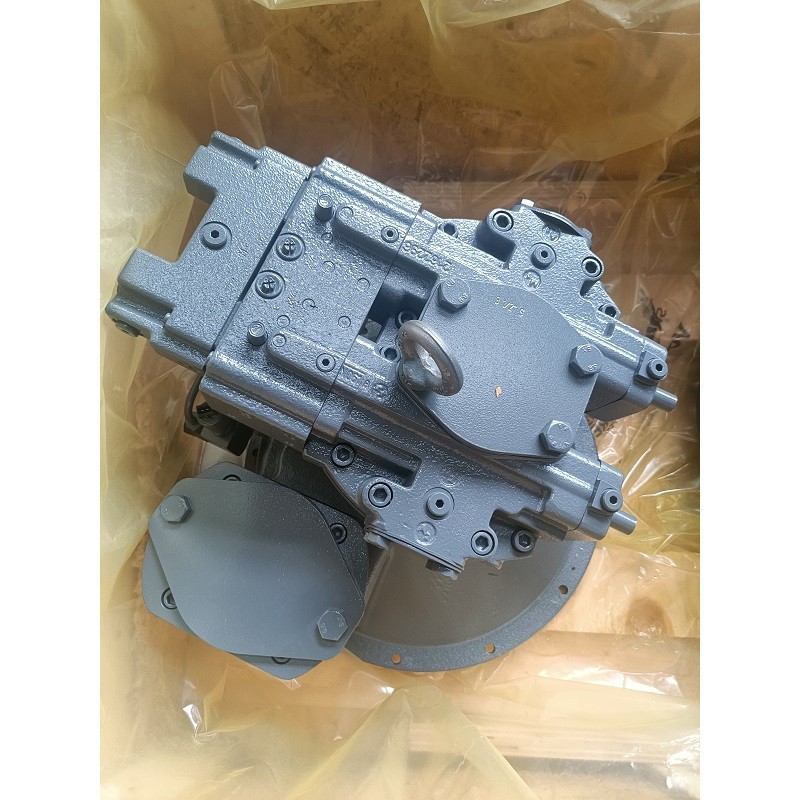

The A11VO60LRDS/10R - NSC12K02 Hydraulic Piston Pump for Rexroth Concrete Pump Truck is also a popular choice in the concrete pump truck industry. However, the A4VTG pump may offer better response performance in some applications that require high - speed and precise control, such as small - scale construction machinery and industrial automation equipment.
Measuring and Improving the Response Time of the A4VTG Pump
Measuring the Response Time
To measure the response time of the A4VTG pump, specialized testing equipment is usually used. The testing process typically involves sending a step - change control signal to the pump and recording the time it takes for the pump's output parameters, such as flow rate or pressure, to reach a certain percentage (usually 90% or 95%) of the final value. The measurement should be carried out under specific operating conditions, including temperature, pressure, and flow rate, to ensure the accuracy and comparability of the results.
Improving the Response Time
There are several ways to improve the response time of the A4VTG pump. Firstly, optimizing the hydraulic circuit design can reduce the resistance and delay in the system. This may involve shortening the pipeline length, reducing the number of valves, and using low - resistance components. Secondly, regular maintenance and inspection of the pump's internal components can ensure their proper operation. Replacing worn - out parts and adjusting the clearances can improve the movement flexibility of the internal components. Thirdly, choosing the appropriate hydraulic fluid with the right viscosity for the operating environment can also help to improve the pump's response performance.
Conclusion
As a supplier of the A4VTG pump, I understand the importance of the pump's response time in various applications. A short response time not only improves the performance and efficiency of the hydraulic system but also enhances the overall quality and reliability of the equipment. By understanding the factors affecting the response time and taking appropriate measures to measure and improve it, we can provide our customers with better - performing A4VTG pumps.
If you are interested in our A4VTG pumps or have any questions about their response time or other performance parameters, please feel free to contact us for further discussion and procurement negotiation. We are committed to providing you with high - quality products and professional technical support.
References
- Hydraulic Pump Handbook, published by a leading hydraulic engineering research institution.
- Technical specifications of the A4VTG pump provided by the manufacturer.
- Industry reports on hydraulic system performance and pump technology development.


